Overview
High-level introduction to BinaxPay, our mission, global strategy, regulatory foundation, and long-term vision. This section gives partners, investors, and institutions a clear understanding of who we are and the direction of the company.
-
 BinaxPay Team
 - 26 May, 2026
- 9 mins read
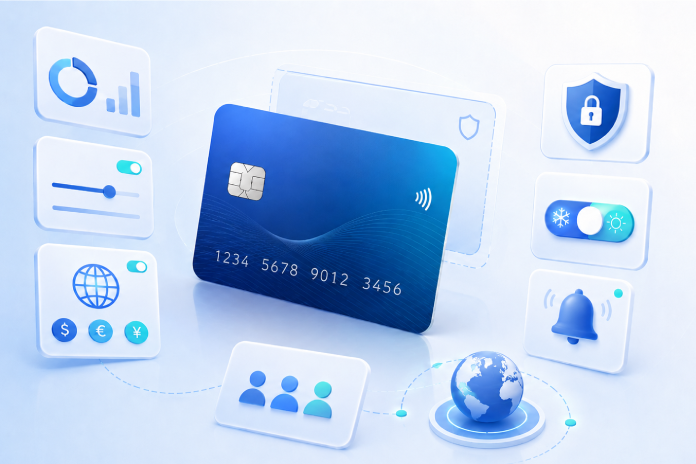
Card Control at BinaxPay: Smarter Limits, Safer Spending, and Real-Time Protection
Cards are no longer simple payment tools. They are becoming intelligent financial controls connected to accounts, wallets, security systems, spending rules, and real-time monitoring. Modern users and businesses do not only want a card that works. They want a card they can control. They want to set limits, freeze usage, receive alerts, manage online payments, protect card data, separate business spending, and react quickly when something looks suspicious. This is where BinaxPay Card Control becomes important. BinaxPay’s card control layer is designed to give users and businesses more visibility, flexibility, and protection over how cards are created, used, monitored, and secured. It supports virtual cards, physical cards, spend limits, merchant controls, freeze and unfreeze actions, PIN reveal, 3-D Secure, real-time alerts, multi-currency spending, business card controls, and integration with account activity. The goal is simple: give every card stronger control before, during, and after every transaction. For how virtual and physical programs are issued and managed at scale, see card issuing capabilities: virtual, physical, and program management. 1. Why Card Control Matters Card payments are fast, global, and convenient. But that same speed can also create risk. A card can be used online, in-store, across borders, for subscriptions, travel bookings, supplier payments, digital services, business expenses, and daily spending. Without proper controls, card activity can become difficult to monitor and harder to protect. BinaxPay Card Control helps reduce this risk by giving users direct tools to manage card behavior. Card controls help protect against:Unauthorized spending Lost or stolen card misuse Suspicious online payments Subscription misuse Excessive employee spending High-risk merchant activity Unusual cross-border transactions Card testing attacks Unclear business expensesInstead of treating cards as open payment instruments, BinaxPay connects them to a controlled financial environment. 2. Virtual Cards for Digital Spending Virtual cards are one of the most useful tools in modern fintech because they allow users and businesses to create card credentials without waiting for a physical card. With BinaxPay, virtual cards can be used for online payments, subscriptions, vendor payments, travel bookings, advertising platforms, software tools, marketplaces, and business expenses. Virtual cards help users:Create cards quickly Separate spending by purpose Reduce exposure of main card details Control online subscriptions Manage vendor payments Track digital spending clearly Pause or replace a card without affecting the full accountFor businesses, virtual cards are especially powerful. A company can create separate cards for advertising, software, travel, procurement, or team expenses. If one card needs to be frozen or replaced, other cards can continue operating normally. 3. Physical Cards for Everyday Use Physical cards remain important for in-person payments, travel, hotels, transport, restaurants, retail purchases, and business spending. BinaxPay supports physical card access alongside virtual cards, giving users one connected card experience for both digital and real-world payments. Physical cards support:In-store purchases Travel spending Hotel and transport payments Business expenses Everyday personal spending Supported ATM-related usage Global merchant acceptance where supportedFor users and companies operating internationally, physical cards remain essential because not every payment happens online. 4. Spend Limits and Usage Rules One of the strongest parts of card control is the ability to define how a card can be used. BinaxPay Card Control supports spend rules that help users and businesses manage transaction behavior before spending happens. Spend controls can include:Per-transaction limits Daily limits Monthly limits Card-level spending caps Business expense limits Employee spending controls Travel budget controls Project-based spending rulesThis gives users and companies better financial discipline. A card can be created for a specific purpose and limited to that purpose. For example, a business can create one card for advertising, one for software subscriptions, one for travel, and one for procurement. Each card can have its own spending logic, making financial activity easier to track and safer to manage. 5. Merchant and Category Controls Not every card should work everywhere. A travel card may not need to work for gaming websites. A software subscription card may not need to work in physical retail stores. An employee expense card may need to be limited to approved merchant categories. BinaxPay’s card control model supports merchant and category-based restrictions to help align card usage with its intended purpose. Merchant controls can help protect:Company spending policies Department budgets Subscription management Procurement activity Travel expense rules Employee card usage Risky or unauthorized merchant activityThis turns the card into more than a payment method. It becomes a controlled spending tool. 6. Freeze and Unfreeze Controls Freeze and unfreeze controls are among the most practical card security features. If a user misplaces a card, sees suspicious activity, wants to pause spending, or needs to review employee card usage, the card can be frozen. If the issue is resolved, the card can be unfrozen. BinaxPay freeze and unfreeze controls help users respond quickly to:Lost cards Suspected card compromise Unusual transactions Temporary spending pauses Employee spending reviews Travel-related security concerns Subscription disputesThe benefit is immediate action. Users do not need to wait for fraud to happen. They can pause the card first, review the situation, and then decide the next step. 7. 3-D Secure for Online Payments Online card payments need stronger protection because the card is not physically present. 3-D Secure adds an authentication layer to online card payments, helping verify that the transaction is being performed by the legitimate cardholder. BinaxPay supports 3-D Secure as part of its card security stack. 3-D Secure helps protect:Online purchases Subscription payments Travel bookings E-commerce transactions High-risk digital checkouts Card-not-present paymentsThis makes online card usage safer because the transaction does not rely only on card number, expiry date, and security code. Authentication can be added when needed. Strong authentication, risk rules, and authorization controls are explained in 3DS, risk rules & card security. 8. PIN Reveal for Secure Card Access PIN access is important for physical card usage. BinaxPay supports secure PIN reveal, allowing users to access their card PIN when needed while keeping sensitive card information protected. PIN reveal supports:Physical card usage In-person payments Supported ATM-related access Safer cardholder control Reduced need for insecure PIN storageThe PIN should always be handled securely. BinaxPay’s card control experience helps users access it only when needed. 9. Real-Time Alerts and Card Activity Visibility Card fraud and misuse can happen quickly, so users need fast visibility. BinaxPay supports real-time card activity alerts, helping users and businesses see important card events as they happen. Real-time alerts can support:Transaction notifications Suspicious activity awareness Spending confirmations Failed payment visibility High-value transaction alerts Merchant activity visibility Unusual pattern detectionThis gives users more control because they do not need to wait for a monthly statement to understand what happened. Important card activity can be reviewed much earlier. For businesses, alerts also help finance teams monitor spending, detect unusual behavior, and respond faster. 10. Tokenized Card Data and Safer Digital Payments Tokenization helps protect card data by replacing sensitive card details with secure digital tokens. This is important for online payments, wallet provisioning, merchant card storage, subscription payments, and card-on-file transactions. BinaxPay’s card infrastructure is designed with secure card data handling and tokenized payment principles. Tokenization helps protect:Online purchases Digital wallet usage Card-on-file payments Subscription payments API-based card workflows Sensitive card credentialsTokenization does not remove every risk, but it reduces unnecessary exposure of raw card details. Foundational card identifiers and tokenization concepts are covered in card issuing basics (BIN, PAN, CVV, tokenization). 11. Multi-Currency Spending BinaxPay’s card ecosystem is connected to multi-currency financial activity. This is important because users and businesses often spend across different countries, currencies, merchants, and platforms. A card may be used for international travel, online services, supplier payments, subscriptions, or global commerce. Multi-currency card usage helps support:International spending Travel payments Global online purchases Subscription platforms Business expenses Supported currency management Clearer transaction recordsWhen cards connect to wallets, FX, payments, and account activity, users gain a clearer view of how money is being spent across markets. 12. Business Card Controls for Teams Business cards need stronger control than personal cards because companies manage spending across employees, departments, branches, contractors, partners, and projects. BinaxPay supports business card control features that help companies manage team spending with better structure. Business card controls can support:Employee expense cards Department cards Project-based cards Supplier payment cards Travel cards Procurement cards Controlled team spending Card activity reportingWith spend limits, merchant restrictions, alerts, and freeze controls, businesses can give teams access to spending tools without losing visibility. 13. Card Control for Reconciliation Card spending must be easy to understand after the transaction happens. Users and businesses need to know what was spent, where it was spent, who used the card, what currency was involved, whether the transaction succeeded, and how the activity connects to the account. BinaxPay connects card activity with wider account, wallet, payment, FX, and transaction records. This supports:Transaction history Merchant details Cardholder activity Currency tracking Expense records Failed payment review Spending reports Audit trails Account visibilityWithout reconciliation, card spending becomes difficult to manage. With clear records, card activity becomes easier to review, report, and control. Matching card activity to ledger and settlement records is part of ledger consistency, reconciliation, and settlement. 14. Card Fraud Monitoring and Risk Signals Modern card security must look beyond the transaction amount. Fraud monitoring can review patterns such as transaction velocity, merchant behavior, device signals, location patterns, spending history, and unusual usage. BinaxPay’s card control layer is designed to support risk monitoring across card activity. Risk monitoring can help detect:Unusual online spending Rapid card testing behavior Suspicious merchant activity Transaction velocity spikes High-risk location patterns Abnormal purchase timing Repeated failed attempts Unusual cross-border usageCard fraud often appears as a pattern. One transaction may look normal, but several fast transactions from a new merchant, region, or device can indicate risk. Broader monitoring and risk intelligence approaches are outlined in AI-enhanced monitoring for fraud and risk. 15. Card Control as a Trust Layer Card control is becoming one of the most important layers in modern finance. Cards are no longer only about payment access. They are about trust, visibility, control, and protection. BinaxPay brings these controls into one connected card environment by combining:Virtual cards Physical cards Spend limits Merchant controls Freeze and unfreeze 3-D Secure PIN reveal Real-time alerts Tokenized card data Multi-currency spending Business card controls Risk monitoring Account and wallet integrationThis makes the card part of a wider financial security system, not just a plastic or digital payment credential. Conclusion Card control is now a core requirement for modern financial platforms. Users want safer spending. Businesses want better team expense control. Platforms want embedded card experiences. Everyone wants faster visibility, stronger protection, and more flexible payment tools. BinaxPay Card Control gives users and businesses the ability to issue, monitor, restrict, pause, authenticate, and manage cards from one connected financial environment. The value is not only the ability to spend. The real value is the ability to spend with control.

- BinaxPay Team
- 23 May, 2026
- 10 mins read
Permissioned Financial Data: How Open Finance Turns Data Into Better Services
Open finance is changing how financial services are built, delivered, and improved. The old model of finance kept data locked inside separate accounts, banks, apps, card systems, payment providers, and business tools. Users and businesses often had to repeat the same information, upload the same documents, reconnect the same accounts, and manually explain their financial activity again and again. Open finance creates a better model. It allows financial data to be shared securely with permission, so approved platforms can deliver better services. The value is not the data itself. The value is what secure, permissioned data makes possible: faster onboarding, better visibility, smarter financial workflows, stronger trust, and more relevant services. BinaxPay already operates around connected financial infrastructure. Accounts, IBANs, cards, payments, APIs, webhooks, onboarding, compliance checks, reconciliation, and audit-ready records work together to help users, businesses, and partners manage financial activity in a more structured way. For how those layers connect in practice, see the BinaxPay technology overview (non-technical summary). Permissioned financial data strengthens this direction because better financial services depend on secure access, clear consent, accurate records, and trusted infrastructure. 1. What Permissioned Financial Data Means Permissioned financial data is financial information that a user or business allows a trusted provider to access for a clear purpose. This can include account information, transaction records, payment history, card activity, income data, business cash flow, invoices, settlement records, loan information, or other financial details. The important point is permission. Open finance does not mean financial data should move freely without control. It means data should move securely, only when the user or business allows it, and only for a defined purpose. Permissioned data can support:faster onboarding account verification better financial visibility smarter product recommendations improved payment experiences cleaner reconciliation stronger fraud checks better lending or affordability reviews more personalized services stronger customer trust When financial data is shared safely and clearly, financial platforms can serve users with less friction and more accuracy.2. Why Open Finance Is Moving Toward Better Services Open finance is not only a regulatory idea. It is becoming a service-quality layer. Users expect financial platforms to understand their needs without forcing them through repeated manual steps. Businesses expect financial tools to connect accounts, cards, payments, invoices, reports, and reconciliation without relying on spreadsheets and disconnected systems. Permissioned data improves services because it gives platforms better context. With better context, a financial platform can understand:who the user is what account activity looks like how money moves what payments are recurring what transactions need review what spending patterns are normal what business activity needs support what records need reconciliation what risks need attention This creates services that feel more useful, more responsive, and more trustworthy.3. Consent Creates Trust Consent is the foundation of open finance. A user or business should know what data is being shared, why it is being shared, who will use it, and what benefit it creates. Without consent, data sharing becomes risky and unclear. With consent, data sharing becomes controlled and valuable. Consent-based finance gives users more control over their own financial information. A strong consent model should make clear:what data is requested why the data is needed which service will use it how long access may last whether access can be changed whether access can be revoked how the data is protected Trust grows when users understand the exchange. They share data because it gives them something useful: faster service, better visibility, stronger control, fewer forms, improved support, or safer financial activity. BinaxPay’s connected finance model supports this trust principle through secure onboarding, KYC/KYB workflows, AML checks, access controls, role-based permissions, APIs, webhooks, reconciliation, and audit-ready records.4. How Permissioned Data Improves Onboarding Onboarding is one of the first areas improved by permissioned financial data. Without connected data, users and businesses may need to upload documents, fill forms, provide account details, explain transaction history, verify ownership, and repeat the same steps across different providers. Permissioned data can reduce this friction. It helps platforms verify information faster and with better accuracy. This can make account opening, business verification, customer onboarding, and partner onboarding smoother. Permissioned data can support onboarding through:identity checks account ownership verification business activity review document validation cash-flow understanding income verification transaction review risk scoring compliance checks faster approval workflows BinaxPay supports onboarding and compliance through KYC/KYB flows, AML screening, sanctions checks, risk scoring, limits, documentary evidence management, approvals, and audit logs. These layers help financial access remain controlled, traceable, and compliant. For how verification models balance speed and control, see onboarding flows and verification models.5. Better Account Visibility Financial control begins with visibility. A user or business cannot manage money properly if financial data is scattered across different accounts, cards, payment tools, and reports. Permissioned financial data helps bring that activity into a clearer structure. Better visibility helps users and businesses understand:available balances incoming payments outgoing transfers card spending pending transactions failed payments settlement records account history currency movement reconciliation status BinaxPay supports visibility through multi-currency accounts, dedicated IBANs, cards, real-time statements, transaction records, webhooks, exports, and reconciliation tools. This gives businesses a clearer way to understand how money moves and how records connect.6. Smarter Financial Workflows Open finance turns financial data into action. When account data, payment status, card activity, and reconciliation records are connected, financial workflows become smarter. Teams no longer need to wait for manual exports, delayed statements, or repeated document checks. Permissioned data can support:automated account checks faster payment review better card monitoring cash-flow visibility invoice matching payout tracking subscription management finance-team reporting reconciliation automation risk monitoring BinaxPay uses APIs and webhooks to connect financial events across accounts, cards, payments, payouts, onboarding, and reconciliation. This allows businesses and partners to respond to financial activity as it happens. Product and engineering teams often align terminology with API banking, webhooks, and integration before scoping callbacks and settlement flows. A payment can trigger a webhook. A card event can be recorded. A payout status can update a dashboard. A reconciliation record can be exported. A compliance event can be reviewed. This is how financial data becomes operational.7. Personalization Without Losing Control Open finance makes personalization possible, but personalization must be built on permission and trust. A financial service becomes more useful when it understands the user’s actual financial behavior. It can provide more relevant account views, better alerts, smarter payment insights, tailored cash-flow tools, and more useful product experiences. Permissioned data can support:personalized dashboards smarter account insights relevant spending alerts business cash-flow views better payment recommendations tailored financial workflows improved customer support stronger product experiences BinaxPay’s infrastructure supports this direction by connecting accounts, cards, payments, APIs, webhooks, compliance, and reconciliation into one financial environment. The goal is not to collect more data for the sake of it. The goal is to use authorized data to make financial services more useful.8. Better Services for Businesses Businesses benefit strongly from permissioned financial data because business finance is complex. A company may manage customer collections, supplier payments, payroll, employee cards, invoices, refunds, FX, multiple currencies, and settlement reports. When financial data is disconnected, teams lose time trying to match records manually. Permissioned data helps businesses operate with more control. It can improve:supplier payments customer collections vendor verification card expense tracking multi-currency reporting payment reconciliation cash-flow visibility audit preparation compliance review finance automation BinaxPay gives businesses multi-currency accounts, dedicated IBANs, corporate cards, SEPA/SWIFT payouts, role-based approvals, payment APIs, webhooks, statements, and reconciliation records. This gives business finance a stronger operating layer.9. Better Services for Platforms and Partners Open finance also improves embedded financial services. A platform can offer accounts, cards, payments, wallets, payouts, and reporting inside its own product experience when the infrastructure behind it is secure and connected. Permissioned data helps platforms serve users with less friction because the platform can understand account activity, payment status, onboarding progress, risk checks, and financial records more clearly. BinaxPay supports white-label and embedded finance through:accounts IBANs cards payments onboarding KYC/KYB AML screening APIs webhooks limits approvals reconciliation audit logs data retention workflows This allows trusted platforms to build financial experiences without creating every infrastructure layer from scratch. Partners launching branded products can start from white-label and co-branded banking capabilities.10. Permissioned Data and Fraud Protection Better data can also improve fraud protection. Fraud detection becomes stronger when systems can understand account behavior, transaction history, device activity, payment patterns, card usage, and beneficiary changes in context. Permissioned financial data can support:account ownership checks transaction history review unusual payment detection beneficiary risk review card activity monitoring cash-flow anomaly detection identity consistency checks risk scoring real-time alerts compliance escalation BinaxPay strengthens financial protection through KYC/KYB, AML checks, strong access controls, card controls, transaction monitoring, webhooks, audit-ready records, and reconciliation. The principle is clear: better visibility supports better protection.11. Permissioned Data and Reconciliation Reconciliation is one of the clearest business benefits of connected financial data. Finance teams need to match payments, card activity, fees, invoices, refunds, settlements, balances, and reports. When data is fragmented, reconciliation becomes slow and manual. Permissioned data helps create cleaner records. BinaxPay supports reconciliation through:real-time ledgering transaction labels CSV and JSON exports statements payment records card activity records webhook events audit-ready logs This helps businesses see what happened, when it happened, which account was used, which card was charged, what fee applied, and whether the transaction settled correctly. How ledgers stay aligned across partners and rails is explained in ledger consistency, reconciliation, and settlement. Reconciliation is not only a finance task. It is proof that financial activity is visible and controlled.12. Permissioned Data and Customer Retention Users stay with financial services that make their lives easier. If a platform can reduce repeated forms, simplify onboarding, show better account insights, deliver useful alerts, improve payment visibility, and provide smoother support, users have fewer reasons to leave. Permissioned data helps create that better experience. It supports retention through:faster service fewer manual steps clearer financial views more useful alerts better support context personalized tools trusted data controls smoother financial workflows BinaxPay helps businesses and partners build these experiences through connected infrastructure: accounts, IBANs, cards, payments, APIs, webhooks, onboarding, compliance, reconciliation, and reporting. A better service experience begins with better financial context.13. Security Must Stay at the Center Open finance cannot succeed without security. Financial data is sensitive. It should be accessed only through trusted systems, protected APIs, clear permissions, strong authentication, and auditable workflows. A secure open finance model needs:consent authentication encryption access controls data minimization monitoring fraud detection audit logs secure recovery compliance review BinaxPay’s infrastructure is built around secure financial operations through KYC/KYB, AML screening, role-based access, approval workflows, APIs, webhooks, reconciliation, and audit-ready records. Data sharing only creates value when users trust the system that handles it.14. How BinaxPay Turns Connected Data Into Better Services BinaxPay turns financial activity into connected workflows. Accounts, IBANs, cards, payments, payouts, APIs, webhooks, onboarding, compliance, reconciliation, and reporting work together so businesses and partners can manage finance with more visibility and less manual work. BinaxPay supports:account creation dedicated IBANs multi-currency balances virtual and physical cards SEPA/SWIFT payouts card controls role-based permissions KYC/KYB workflows AML checks real-time webhooks payment status visibility reconciliation records audit-ready statements embedded finance infrastructure These capabilities help turn financial data into useful services: faster onboarding, clearer account views, safer payments, cleaner reconciliation, and stronger business workflows. Open finance points in the same direction. Financial data should not sit trapped in disconnected systems. It should support better services, with permission, security, and control. Permissioned financial data is one of the most important ideas in open finance. It changes financial data from a static record into a service layer. With clear consent and secure infrastructure, data can support faster onboarding, better visibility, smarter workflows, stronger fraud protection, cleaner reconciliation, and more personalized financial experiences. BinaxPay supports this connected finance direction through accounts, IBANs, cards, payments, APIs, webhooks, compliance checks, reconciliation, and audit-ready records. The value of open finance is not just sharing data. The value is using permissioned data to build better financial services. When users and businesses can share financial information securely, and when platforms can use that information responsibly, financial services become clearer, faster, safer, and more useful.

- BinaxPay Team
- 13 May, 2026
- 8 mins read
The Future of Banking in 2026: Fintech Reshaping Trust, Payments, and Customer Experience
Fintech is no longer just about having a mobile app, sending money online, or checking account balances from a phone. In 2026, fintech is becoming a core part of how people manage money, how banks protect customers, and how financial platforms deliver faster, more useful services. According to Plaid’s fintech trends report, the industry is being shaped by major changes in consumer expectations, fraud risks, payment technology, open banking, AI, and new financial infrastructure. For banks, this change is important. Customers no longer want financial services that feel slow, disconnected, or difficult to understand. They expect their bank account to connect smoothly with financial apps, payment tools, budgeting platforms, lending services, and digital wallets. Plaid reports that 77% of consumers say their bank must connect to the apps they already use, while 66% would consider switching their primary bank if it could not connect to their financial accounts. For how foundational banking and payment concepts are usually introduced, see the Fintech basics hub and the non-technical platform summary in BinaxPay technology overview (non-technical summary). 1. Fintech apps are becoming financial co-pilots One of the biggest fintech shifts is that users want apps to do more than display numbers. People want help understanding their money, planning spending, managing bills, avoiding fees, and making better financial decisions. Plaid says fintech app usage has risen to 78%, and nearly 81% of consumers are actively looking for financial education, but only 19% currently receive that guidance from their apps. This creates a major opportunity for banks. Instead of only offering account access, banks can provide helpful insights such as spending alerts, savings suggestions, cash-flow warnings, loan-readiness tips, and personalized financial education. A strong banking experience in 2026 should not only answer “how much money do I have?” It should also help users understand “what should I do next?” Terminology that often sits behind those experiences is unpacked in Core banking terms every fintech must know. 2. Fraud is becoming more advanced As fintech grows, fraud is also becoming more sophisticated. Plaid’s report notes that the U.S. lost $12.3 billion to fraud in 2023, and generative AI could push fraud losses much higher by 2027. This matters because fraud is not only a financial problem; it directly affects user trust. For banks, fraud prevention must become faster, smarter, and more transparent. Customers want to know when something suspicious happens. They also want clear communication about how their personal data is used and protected. A bank that invests in strong identity checks, real-time alerts, behavioral monitoring, and secure account connections can build stronger customer confidence. On this hub, AI-enhanced monitoring for fraud and risk and Chargebacks, disputes & fraud workflows expand on how institutions operationalize fraud defenses. 3. Fraud prevention now requires collaboration Fraud does not happen in one place. Bad actors may move between banks, fintech apps, phone providers, social platforms, and payment systems. Plaid explains that detecting fraud increasingly requires a network-based approach, where suspicious patterns can be spotted across institutions, apps, devices, and user behaviors. This is especially important for banks because one institution may only see part of the risk. A customer account, device, phone number, or identity may appear normal in one system but suspicious when viewed across multiple platforms. In practical terms, banks need stronger partnerships with fintech providers, identity verification tools, payment networks, and fraud intelligence systems. How API-level collaboration fits partner models is outlined in Technology integration partnerships via API, with the broader Partnership section for go-to-market context. 4. Alternative payments are becoming mainstream Payments are changing quickly. Consumers and businesses are becoming more comfortable with account-to-account payments, pay-by-bank options, peer-to-peer transfers, real-time payments, and instant settlement. Plaid reports that P2P bank payments are projected to reach nearly 184 million U.S. mobile phone users by 2026, and pay-by-bank payments now account for 1.5% of consumer transactions. For banks, this means payment services can no longer depend only on cards, checks, or slow transfers. Customers want faster, cheaper, and more direct payment options. Real-time bank-to-bank payments can improve bill payments, payroll, merchant payouts, loan disbursements, and customer refunds. Banks that support modern payment rails will be better positioned to serve both consumers and businesses. For a structured tour of major rails and speeds, read Payment rails explained (ACH, SEPA, SWIFT, FPS, RTGS); industry-style payment journeys also appear across the Use cases hub. 5. Lending is moving beyond traditional credit scores Traditional credit scores are useful, but they do not always show a complete picture of someone’s current financial situation. Plaid notes that lenders are increasingly combining cash-flow data, pay stubs, utility bills, and traditional credit scores to make more informed lending decisions. This is a practical change for banks. A customer may have limited credit history but stable income and responsible spending behavior. By using broader financial data responsibly, banks can improve loan decisions, reduce risk, and expand access to credit. This does not mean credit scores disappear; it means banks can use more complete data before approving or rejecting customers. 6. Open banking is now a customer expectation Open banking allows customers to securely connect their bank accounts with trusted third-party apps and services. In 2026, this is no longer a “nice-to-have” feature. Plaid reports that more than 70% of Americans say they only trust banks that connect with fintech apps. For banks, open banking is about customer control, convenience, and trust. Users want to decide where their financial data goes, which apps can access it, and how easily they can manage those permissions. Banks that make data access difficult may lose customer loyalty. Banks that make secure data sharing easy can become more valuable in the customer’s financial life. API and webhook concepts that often sit behind those connections are summarized in API banking, webhooks & integration glossary. 7. AI is becoming part of everyday financial services AI is moving from an experimental feature to a useful layer inside financial services. Plaid says 57% of consumers now expect fintech apps to use AI. However, the report also makes an important point: users still want human guardrails and visibility when tools are involved in money movement. For banks, the best use of AI is not to replace human responsibility. It is to improve service quality. AI can help detect suspicious activity, explain spending patterns, summarize financial behavior, guide customers through account questions, and support faster service. But banks must keep the experience transparent, secure, and easy for users to understand. The Technology section collects deeper notes on how platforms apply AI in production systems. 8. Stablecoins are influencing financial infrastructure Stablecoins are becoming more relevant in fintech, especially for faster transactions and cross-border payments. Plaid notes that stablecoins saw $23 trillion traded in 2024, and some neobanks are building directly on stablecoin rails to support faster settlement and easier international money movement. For traditional banks, this does not mean every customer will start using stablecoins immediately. The more important lesson is that users and businesses increasingly expect faster settlement, lower-cost transfers, and better cross-border payment experiences. Banks should watch this space carefully, especially where stablecoin infrastructure intersects with regulation, compliance, liquidity, and customer protection. 9. AI is also becoming a fraud defense tool The same technology that can help fraudsters can also help banks defend customers. Plaid explains that traditional fraud tools are no longer enough as bad actors use AI to scale attacks. Financial institutions are using machine learning and large language models in payment screening, authentication, and fraud detection workflows. For banks, AI-powered fraud prevention should focus on early detection. Instead of waiting until money has already moved, systems should identify suspicious behavior before transactions are completed. This includes unusual login patterns, mismatched identity details, suspicious account connections, abnormal payment behavior, and signals linked to synthetic identities. 10. Fraud risk is moving earlier in the customer journey Fraud is not only a transaction problem. It can begin during onboarding, identity verification, account opening, or loan application. Plaid highlights that lenders are paying more attention to early signals such as identity inconsistencies, behavioral patterns, and account connections before money moves. This is a key lesson for banks. A strong fraud strategy should begin before the first transaction. Identity verification, KYC checks, device intelligence, behavioral analysis, and account ownership checks all help reduce risk early. If a fake borrower or fraudster is detected before approval, the bank prevents losses before they happen. What this means for banks The future of fintech is not only about adding new technology. It is about building financial services that are safer, faster, smarter, and easier to use. Banks should focus on five priorities: stronger fraud prevention, better open banking connections, more useful financial guidance, modern payment options, and responsible AI adoption. A bank-focused fintech strategy in 2026 should answer these questions clearly:Can customers securely connect their accounts to the apps they trust? Can users receive helpful guidance, not just account data? Can payments move faster and with less friction? Can fraud be detected before money leaves the account? Can lending decisions use fair, accurate, and up-to-date financial data?Additional Overview articles on BinaxPay’s positioning complement industry trend pieces like this one. Conclusion Fintech in 2026 is becoming more intelligent, more connected, and more security-focused. For banks, this is both a challenge and an opportunity. Customers want convenience, but they also want protection. They want faster payments, but they also want trust. They want AI-powered help, but they still need transparency and control. The banks that succeed will be the ones that combine modern fintech tools with strong risk management, clear communication, and customer-first design. In simple terms, the future of banking will belong to institutions that make money management easier, safer, and more useful for everyday users.

- BinaxPay Team
- 08 May, 2026
- 15 mins read
Open a BinaxPay Private Account: EU and UK Accounts with IBAN, Mastercard, and Multi-Currency Access
Managing personal money is no longer limited to one country, one account, one card, or one currency. Today, many people travel internationally, work across borders, shop online, receive money from different countries, and need better control over their personal finances. A modern private account should help users manage money, cards, currencies, and payments from one secure digital platform. This is the idea behind BinaxPay Private. With BinaxPay Private, eligible users can start their account journey online through the secure BinaxPay portal: https://app.binaxpay.com BinaxPay Private is designed for individuals who want a modern digital account experience with personal banking tools, supported currencies, Mastercard card access, account security, and a clear onboarding process. For eligible users, the account direction depends on passport type, verification result, supported jurisdictions, provider availability, compliance checks, and final approval. Open an EU or UK Private Account with BinaxPay BinaxPay Private allows eligible individuals to begin opening a private account online. If you have an EU passport, BinaxPay can guide you toward an EU-based private account. By default, eligible and approved EU users can receive a Belgian IBAN, access supported account services, use available SEPA payment features, and receive a Mastercard card, subject to verification, compliance review, provider availability, and approval. If you have a UK passport, BinaxPay can guide you toward a UK-based private account. Eligible and approved UK users can access supported UK account services, available payment features, and a Mastercard card, subject to verification, compliance review, provider availability, and approval. The process starts digitally, but approval is not automatic. Every application depends on identity verification, document checks, eligibility, compliance review, and supported provider availability. What Is a BinaxPay Private Account? A BinaxPay Private Account is a personal digital account for individuals. It is designed to help users receive, hold, send, spend, and manage money more clearly. It is different from a business account, which is built for companies, teams, merchants, platforms, and commercial operations. BinaxPay Private should not be confused with traditional private banking for high-net-worth wealth management. Traditional private banking usually focuses on investment services, relationship managers, and wealth planning. BinaxPay Private is different. It is a modern personal account experience focused on:personal money management; Belgian IBAN access for eligible EU users; UK-based account access for eligible UK users; Mastercard card access; supported currencies; payment features; secure onboarding; identity verification; account access controls; everyday use cases such as travel, online spending, and personal finance visibility.In simple terms, BinaxPay Private helps individuals manage personal money from one secure digital platform. Why Modern Personal Banking Needs to Be Simpler Many people now live financially across more than one country, currency, or payment method. You may need to:receive money from abroad; send money to family, friends, or service providers; spend while travelling; pay online subscriptions in different currencies; manage EUR, GBP, or other supported currencies; use a Mastercard card for online and in-person spending; track payments and transactions more clearly.When money is spread across several apps, cards, accounts, and currencies, personal finance becomes harder to manage. Users can lose track of balances, forget which card was used, miss payment details, or struggle to understand their real spending. BinaxPay Private is designed to reduce this complexity by bringing account access, IBAN services, Mastercard card use, payments, and supported currencies into one connected digital experience. The goal is simple: Give individuals clearer control over personal money, wherever life takes them. Who Is BinaxPay Private For? A BinaxPay Private Account may be useful for individuals who want more control over everyday and international personal finance. It may be suitable for people who:have an eligible EU or UK passport; want a digital private account; need a Belgian IBAN as an eligible EU user; want UK-based account access as an eligible UK user; want a Mastercard card for daily spending; travel frequently; live between countries; receive or send international payments; manage more than one currency; want digital onboarding instead of branch-first banking; want clearer visibility over transactions; prefer a secure account experience with identity verification and access controls.BinaxPay Private is especially relevant for users who need more than a basic local account. It is built for modern personal finance, where money can move across countries, currencies, cards, and digital services. What Can You Do with BinaxPay Private? 1. Start Online Through the Private Portal The BinaxPay Private journey starts through the secure portal: https://app.binaxpay.com Users can begin the onboarding process, create their profile, submit required information, and continue toward account setup based on eligibility and verification. This gives users a digital route to begin opening a private account without needing a traditional branch-first experience. 2. Open the Right Account Based on Passport Eligibility BinaxPay can direct eligible users toward the correct account setup depending on passport type. An eligible EU passport holder may be guided toward an EU-based private account. After approval, EU users receive a Belgian IBAN by default, with access to supported account services and payment features. An eligible UK passport holder may be guided toward a UK-based private account. After approval, UK users can access supported UK account services, payment features, and Mastercard card options. This structure allows BinaxPay to support different account routes based on jurisdiction, provider coverage, document type, and future platform expansion. Today, the focus is EU and UK account access. In the future, BinaxPay may expand this model to support more countries, more providers, and more account types. 3. Receive a Belgian IBAN as an EU User For eligible and approved EU users, BinaxPay provides a Belgian IBAN by default. A Belgian IBAN can help users receive and send payments within supported European payment systems, manage personal financial activity, and access account services through the BinaxPay Private platform. This is useful for individuals who need a European account structure for personal money management, cross-border activity, travel, online payments, and everyday financial use. If language such as IBAN, clearing, or card settlement still feels abstract, the guide to core banking terms every fintech must know explains the ideas in practical terms. 4. Access SEPA Payment Features Where Supported For EU users, SEPA payment access can make euro payments simpler across supported European countries. SEPA is commonly used for euro transfers within the European payments area. With BinaxPay Private, eligible and approved EU users can use available SEPA-related payment features through their account, subject to provider support, compliance rules, and account approval. This helps users manage euro payments more conveniently from one digital platform. 5. Use a Mastercard for Everyday Spending BinaxPay Private gives eligible and approved users access to a Mastercard card. A Mastercard card can be used for everyday spending, online purchases, travel, subscriptions, hotels, transport, and personal expenses where Mastercard is accepted. The card is connected to the user’s private account, helping users manage spending, transactions, and account activity from one platform. This gives users more flexibility and control over how they spend their money. 6. Manage Supported Currencies One of the strongest reasons to use a modern private account is currency flexibility. For many people, one currency is no longer enough. Travel, international shopping, remote work, relocation, family support, and cross-border payments can all create the need to manage more than one currency. BinaxPay Private is designed to help users manage supported currencies from one platform, depending on availability, account eligibility, provider coverage, and compliance approval. This helps users avoid the feeling of having money scattered across multiple services. 7. Send and Receive Payments A personal account should make money movement easier. BinaxPay Private is designed to support personal payment use cases, including local and cross-border payments where available. This matters because many users now need more than domestic transfers. They may need to receive funds internationally, pay someone abroad, support family, manage travel costs, or make payments connected to education, lifestyle, relocation, or personal services. The value is not only sending money. The value is having one clear place to manage payment activity, account movement, and transaction history. When you move money across borders, it can help to read how ledger consistency, reconciliation, and settlement keep records aligned after a transfer is initiated. EU Private Account: What Eligible Users Can Expect For eligible EU passport holders, BinaxPay Private is designed to provide a clear route toward an EU-based private account. After successful onboarding, verification, compliance review, and approval, EU users can receive:EU-based private account access; Belgian IBAN by default; supported SEPA payment features; Mastercard card access; supported currency management; personal account dashboard; transaction visibility; secure account controls; digital onboarding and account management.This makes the EU private account suitable for users who want a European account structure for personal money management, travel, payments, and everyday spending. UK Private Account: What Eligible Users Can Expect For eligible UK passport holders, BinaxPay Private is designed to provide a clear route toward a UK-based private account. After successful onboarding, verification, compliance review, and approval, UK users can access:UK-based private account services; supported UK payment features; Mastercard card access; supported currency management; personal account dashboard; transaction visibility; secure account controls; digital onboarding and account management.This makes the UK private account suitable for users who want a modern personal account experience connected to UK-based account services and card spending. What Do You Need Before Opening a BinaxPay Private Account? Before opening any personal account, users should be ready for identity verification. This is normal. Banks and fintech platforms need to know who is opening the account, whether the person is eligible, and whether the documents match the applicant’s details. For BinaxPay Private, eligible users should prepare accurate personal information and complete the required onboarding steps through the private portal. Private Account Opening ChecklistWhat to Prepare Why It MattersValid EU or UK passport Helps confirm account route and eligibilityPersonal email address Used for account access and communicationPhone number May support login security and verificationProof of address, if requested Helps confirm residence detailsPersonal information Name, date of birth, nationality, and contact details should match documentsSource-of-funds information, if requested Supports compliance and account reviewTax or residency details, if requested May be needed depending on jurisdiction and account useSecure device access Helps protect login, verification, and account activityDocuments should be clear, valid, and not expired. If proof of address is requested, it should show the applicant’s full name and address clearly. Clean and accurate documents can help reduce delays during review. How the BinaxPay Private Account Opening Process Works The exact onboarding process may depend on passport type, verification result, supported jurisdictions, compliance requirements, and provider availability. However, the general journey is simple. Step 1: Start from the BinaxPay Private Portal Go to: https://app.binaxpay.com This is where users can begin the BinaxPay Private Account journey. Step 2: Create Your Profile Users provide personal details such as name, email address, date of birth, nationality, and other required information. The details should match the identity document. Small mismatches can create delays during verification. Step 3: Complete Identity Verification Users may need to submit an accepted identity document, such as an EU or UK passport. Identity verification helps confirm that the account is being opened by the correct person. It also helps protect the platform against fraud, identity misuse, and unauthorized access. Step 4: Provide Additional Information If Requested Some applications may require extra details. This may include proof of address, source-of-funds information, tax or residency details, or other compliance-related information. This does not always mean something is wrong. It can simply be part of responsible account review. Step 5: Continue to Account Setup After onboarding, eligible users may continue to account setup. If the user has an eligible EU passport, the EU account option may be available. After approval, EU users receive a Belgian IBAN by default, supported payment features, and Mastercard card access. If the user has an eligible UK passport, the UK account option may be available. After approval, UK users can access supported UK account services, payment features, and Mastercard card access. Other wallet or supported account features may also be available depending on platform rules, provider support, and future expansion. Step 6: Wait for Review and Approval After submission, the application may be reviewed. Some users may move forward quickly, while others may need to provide additional information. Approval is not automatic. It depends on eligibility, successful verification, supported availability, provider requirements, and compliance approval. Step 7: Start Using Available Account Features Once approved, users can begin using available BinaxPay Private features, such as balances, payments, Mastercard card services, IBAN details, supported currencies, and account activity tools, depending on their account status and supported services. Why KYC and AML Checks Matter KYC means Know Your Customer. It is the process used to verify the identity of a person opening or using a financial account. AML means Anti-Money Laundering. It refers to controls that help prevent financial systems from being used for money laundering, fraud, terrorism financing, or other illegal activity. For a readable overview of how BinaxPay ties these topics together—not legal advice—see compliance made simple. These checks are not only regulatory requirements. They also help protect users and the platform. Verification can help reduce fake accounts, identity misuse, unauthorized access, and financial abuse. A secure private account begins with proper verification. For users, the message is simple: KYC and AML checks protect the account, the user, and the financial system. Common Questions About BinaxPay Private Can I open a BinaxPay Private Account online? Yes. Eligible users can start the private account journey online through: https://app.binaxpay.com The process begins digitally, but account approval depends on verification, eligibility, compliance review, and supported provider availability. Can I open an account with an EU passport? Yes. Eligible EU passport holders may begin the BinaxPay Private Account journey and may be guided toward an EU-based private account, subject to verification, supported jurisdictions, provider availability, compliance review, and approval. After approval, EU users receive a Belgian IBAN by default, access to supported payment features, and Mastercard card access. Can I open an account with a UK passport? Yes. Eligible UK passport holders may begin the BinaxPay Private Account journey and may be guided toward a UK-based private account, subject to verification, supported jurisdictions, provider availability, compliance review, and approval. After approval, UK users can access supported UK account services, payment features, and Mastercard card access. Will I get an IBAN? Eligible and approved EU users receive a Belgian IBAN by default. For other users, account details depend on the approved account type, jurisdiction, provider support, and eligibility. Will I get a Mastercard card? Yes. BinaxPay Private provides Mastercard card access for eligible and approved users, subject to account approval, provider support, and availability. Can I use SEPA? Eligible and approved EU users can access supported SEPA payment features through their BinaxPay Private Account, subject to provider support, compliance rules, and account approval. Can I use BinaxPay Private for travel? Yes. Travel is one of the strongest use cases for a modern private account. Users who travel may benefit from supported currency access, spending with a Mastercard card, transaction visibility, and easier financial management while abroad. Is onboarding instant? Digital onboarding can begin online, but approval should not be assumed to be instant. Account access depends on successful verification, eligibility, compliance review, provider availability, and platform approval. How BinaxPay Private Supports Daily Life Everyday Banking Users can manage day-to-day financial activity from one platform, including balances, payments, account activity, and Mastercard card use where available. Travel and Currency Management For users who travel or spend internationally, supported currency access can help make money management clearer and more convenient. Online Spending A Mastercard card can support online purchases, subscriptions, and digital services. It can also support in-person spending, travel, and daily purchases where Mastercard is accepted. Sending and Receiving Money Local and cross-border payment capabilities can help individuals manage money movement beyond one domestic account, depending on supported services. For EU users, the Belgian IBAN and supported SEPA payment features can make euro payments easier across supported European payment routes. Personal Budgeting When payments, cards, balances, and transactions are connected, users can better understand how money moves. This visibility can support budgeting, planning, and smarter personal finance decisions. What Makes BinaxPay Private Attractive? The strongest value of BinaxPay Private is convenience with control. At the infrastructure level, the same platform principles are summarized without jargon in the BinaxPay technology overview. It brings together important personal finance tools in one secure digital experience:private account access; EU or UK account direction based on passport eligibility; Belgian IBAN by default for eligible EU users; UK-based account services for eligible UK users; Mastercard card access; supported currency management; payment tools; SEPA features where supported; secure onboarding; identity verification; access controls; personal finance visibility; travel and everyday spending use cases.Instead of treating personal finance as disconnected tools, BinaxPay Private presents it as one ecosystem for individuals. The simple message is: One platform for managing money, IBAN, Mastercard card, currencies, and payments. Mistakes to Avoid When Applying 1. Starting Before Documents Are Ready Before beginning, users should prepare their EU or UK passport and any other requested documents. If proof of address may be requested, it is better to have a clear document ready. 2. Uploading Unclear Documents Blurry, cropped, expired, or unreadable documents can delay verification. Documents should be clear, complete, valid, and easy to read. 3. Using Inconsistent Information The name, date of birth, nationality, address, and document details should match the information submitted during onboarding. 4. Ignoring Compliance Questions If source-of-funds, residency, or tax-related questions are requested, users should answer clearly and accurately. These questions are part of responsible account review. 5. Forgetting Account Security After Approval Opening an account is only the first step. Users should protect login details, use strong security practices, monitor account activity, and keep personal information updated. Why This Matters for Modern Personal Finance The future of personal banking is not only digital. It is connected. People do not simply want an account. They want a better way to understand and control their money. A strong private account should help users:open the right account based on eligibility; receive account details such as a Belgian IBAN for eligible EU users; use a Mastercard card for everyday spending; see balances clearly; manage supported currencies; send and receive money more easily; travel with less financial friction; protect account access; keep personal finance organized.BinaxPay Private is built around these needs. It gives individuals a clearer way to manage personal money in a world where life, work, travel, and payments are increasingly cross-border. Final Takeaway Opening a private account should not feel complicated. With BinaxPay Private, eligible users can start online through: https://app.binaxpay.com If you have an eligible EU passport, BinaxPay can guide you toward an EU-based private account. After approval, EU users receive a Belgian IBAN by default, access to supported payment features, and a Mastercard card. If you have an eligible UK passport, BinaxPay can guide you toward a UK-based private account. After approval, UK users can access supported UK account services, available payment features, and a Mastercard card. Account access, IBAN details, card services, SEPA features, payment tools, and supported currencies depend on verification, eligibility, supported jurisdictions, provider availability, compliance review, and approval. The real benefit is not only opening an account. The real benefit is having clearer control over your personal money, IBAN, Mastercard card, currencies, and payments from one secure platform. Ready to Get Started? Start your BinaxPay Private Account journey today through the secure BinaxPay portal: https://app.binaxpay.com

- BinaxPay Team
- 08 May, 2026
- 10 mins read
What Startups Need Before Opening a Business Account
Starting a company is exciting. Founders are usually focused on building the product, speaking to customers, validating the idea, finding early traction, and moving fast. But before a startup starts receiving payments, paying suppliers, hiring people, or managing subscriptions, one important foundation needs to be in place: a proper business account. A practical startup checklist covers KYB/KYC, company documents, UBO details, proof of address, ownership charts, business finance setup, and what founders should prepare before applying. BinaxPay supports registered companies, startups, and sole traders from supported jurisdictions; the smoother your preparation, the more clearly you can explain your business to any financial partner. For many startups, opening a business account looks simple from the outside. You apply, upload a few documents, and wait for a decision. In practice, the process becomes much smoother when your company structure, ownership details, compliance documents, and financial plans are already clear. A business account is not just a place to keep money. It helps a startup separate company and personal finances, receive payments professionally, manage expenses, support compliance checks, prepare for investors, and build a cleaner financial operation from day one. For founders, the real question is not only “Can we open an account?” The better question is: “Are we ready to operate financially like a real company?” Why startups should prepare before applying A startup can lose time when its documents are incomplete, ownership structure is unclear, or business activity is not explained properly. Financial platforms need to understand who owns the business, who controls it, what the company does, and how money is expected to move. This is where preparation matters. Before applying for a business account, founders should be ready to explain:what the startup does; who owns and controls the company; who the directors and authorized representatives are; where the company is registered; who the customers are; how the company expects to receive and send money; whether the startup needs local payments, international transfers, cards, or multi-currency support.When this information is clear, onboarding is easier to follow and the business looks more organized. 1. Make sure your company is properly registered The first step is confirming that your business is officially formed and your company documents are up to date. A business account provider will usually need to verify the legal identity of the company. This may include the company name, registration number, country of incorporation, incorporation documents, directors, shareholders, and ownership structure. For early-stage startups, this is important because financial platforms do not only review the brand name or product idea. They review the actual legal business behind it. Before applying, founders should prepare a simple document folder with:company registration certificate or registry extract; articles of association or incorporation documents; company address information; director details; shareholder or ownership details; authorization details for the person applying.An authorized representative is typically the one who completes KYB/KYC and submits corporate documents on behalf of the company. A clean company setup helps avoid unnecessary back-and-forth. 2. Understand KYB and KYC Business account onboarding usually includes KYB and KYC. For operational definitions and how compliance teams use these checks in practice, see our glossary on KYB and KYC onboarding. KYB means Know Your Business. It verifies the company itself: registration, structure, business activity, ownership, and legitimacy. KYC means Know Your Customer. It verifies the people behind the business, such as directors, founders, authorized representatives, and ultimate beneficial owners. For startups, KYB/KYC should not be seen as a barrier. It is part of how financial platforms protect users, reduce fraud, meet regulatory requirements, and keep money movement safe. A founder should be ready to provide clear information about:the business activity; the ownership structure; directors and decision-makers; ultimate beneficial owners; expected transaction activity; the source and purpose of funds; the countries or regions where the business operates.The clearer the information, the easier it is for a compliance team to understand the business. 3. Prepare the required documents early One of the biggest reasons business account applications get delayed is missing documentation. For a startup, typical onboarding documents may include:Document Why it mattersCompany registry extract Confirms the company exists and is officially registeredArticles or incorporation Shows the company’s legal formation and structureDirector ID documents Verifies the people responsible for the businessUBO ID documents Verifies the people who ultimately own or control the companyProof of address Confirms address details for the company or individualsOwnership chart, if applicable Helps explain complex company ownership structuresFounders should make sure documents are recent, readable, accurate, and consistent. Small mismatches, such as different company names, unclear addresses, or expired ID documents, can slow down the process. 4. Know who your UBOs are A UBO is an Ultimate Beneficial Owner. This is the person or people who ultimately own or control the company. In a simple startup, the UBOs may be the founders. In a more complex startup, ownership may include investors, holding companies, or other entities. Financial platforms need to identify UBOs because they must understand who is behind the business. This is especially important in regulated financial services, business banking, payments, and cross-border money movement. Startups should keep a simple ownership record showing:founder names; ownership percentages; shareholder details; investor ownership, if any; holding company details, if any; option pool or employee equity details, if relevant.Even if the company is still early, a clean ownership record makes onboarding, fundraising, investor reporting, and future compliance checks easier. 5. Be ready to explain how your startup will use the account A business account provider may need to understand how the account will be used. This does not mean writing a long business plan. It means being able to clearly explain how money will move through the business. For example:Will customers pay into the account? Will the startup pay suppliers or contractors? Will the business send international transfers? Will the team need virtual or physical cards? Will the startup operate in more than one currency? Will the company use APIs, webhooks, or automated payouts later? Will the business benefit from a dedicated IBAN for clearer reconciliation?A SaaS startup may need subscriptions, refunds, and software spend management. A marketplace may need seller payouts and reconciliation. A remote-first startup may need virtual cards and international contractor payments. A global startup may need multi-currency balances, SEPA, SWIFT, and domestic payment rails where supported. The more clearly founders understand their financial needs, the easier it is to choose an account that can grow with the business. Verified businesses on compatible programs can receive a dedicated IBAN; available rails depend on jurisdiction and product configuration. For how multi-currency wallets and receiving rails fit together, read multi-currency accounts and dedicated IBANs. 6. Separate personal and business money from day one Many founders start by paying for early expenses personally: domains, software, design tools, ads, hosting, contractors, or travel. At the beginning, that may feel convenient. But as the startup grows, mixing personal and business finances creates confusion. It becomes harder to answer simple questions:Which expenses belong to the business? Which subscriptions are still active? How much did the company spend last month? What revenue belongs to the company? What should be recorded for accounting? What should be reported to investors?A business account helps founders keep company money separate and easier to manage. This supports:cleaner accounting; better cash-flow visibility; easier tax preparation; clearer investor reporting; stronger financial discipline; more professional customer and supplier payments.For a startup, clean financial habits are easier to build early than to fix later. 7. Think about reconciliation before transactions increase Reconciliation means checking that your records match the actual money movement in your account. For example, a startup may need to confirm:whether a customer payment arrived; whether a supplier was paid; which invoice a payment belongs to; whether a card charge was valid; whether fees were deducted correctly; whether a refund was processed; whether the account statement matches the accounting system.When a startup only has a few transactions, this may be easy to do manually. But as volume grows, manual reconciliation becomes slow and error-prone. For how ledgers, reconciliation, and settlement fit together in platform operations, see ledger consistency and payment reconciliation. This is why founders should think early about financial visibility. Dedicated IBANs, sub-accounts, transaction references, downloadable statements, and payment status updates can help businesses keep cleaner records. For startups planning to scale, reconciliation is not just an accounting task. It is how the company stays in control of money movement. 8. Plan for cards and team spending As a startup grows, more people may need to spend company money. This can include:software subscriptions; cloud hosting; travel; marketing campaigns; contractor tools; supplier payments; team purchases.Without controls, card spending can become messy. Founders may not know who spent what, which subscription renewed, or whether a charge was approved. Modern startup finance should combine spend controls with how virtual and physical cards actually work—BINs, PANs, CVV, and tokenization—through capabilities such as:virtual cards; physical cards; spending limits; approval workflows; role-based access; card freezing and unfreezing; real-time transaction visibility; clear records for accounting.This helps founders give teams flexibility without losing control. A startup should not wait until spending becomes chaotic before setting rules. Card controls are easier to manage when they are part of the financial system from the beginning. 9. Know what can slow down onboarding Founders can avoid many delays by checking the application before submitting. Common issues include:expired ID documents; unclear scans or blurry uploads; company name mismatches; missing UBO details; incomplete ownership information; missing proof of address; unclear business activity; inconsistent addresses; missing authorization for the person applying; unexplained expected transaction activity.Before submitting, founders should ask:Is the company name exactly correct? Are all documents readable? Are the directors listed correctly? Are UBOs identified clearly? Is proof of address valid? Is the business model easy to understand? Is the ownership structure clear? Is the person applying authorized to represent the company?A complete and consistent application gives the review team fewer reasons to come back with extra questions. No platform can promise outcomes in advance; what you control is clarity and consistency. 10. Choose a business account that can grow with the startup A startup’s financial needs change quickly. At the beginning, the company may only need to receive money and pay basic expenses. Later, it may need international transfers, multi-currency balances, cards, spend controls, APIs, webhooks, sub-accounts, payouts, reconciliation, and more advanced reporting. That is why founders should think beyond today’s needs. A scalable business account can support:local and international payments; multi-currency operations; dedicated IBANs where available; SEPA and SWIFT transfers where supported; virtual and physical cards; team spend controls; finance permissions; reconciliation support; transaction records; future automation through APIs or webhooks.For startups, the right business account is not just a banking tool. It is part of the operating system that helps the company move, track, and control money as it grows. Startup business account checklist Before applying, prepare:company registration documents; articles or incorporation documents; director identification; UBO identification; proof of address; ownership chart, if applicable; clear business activity description; expected transaction activity; basic financial plan; cap table or ownership record; team spending rules; payment and payout needs; accounting or bookkeeping plan.This checklist helps founders apply with more confidence and reduces avoidable delays. Final takeaway Opening a business account is one of the first serious financial steps for a startup. It shows that the business is moving from idea to operation. It helps founders separate personal and company finances, prepare for KYB/KYC, organize ownership documents, receive and send payments professionally, and build a cleaner financial foundation. The startups that handle this early usually save time later. They know who owns the business, where the documents are, how money will move, and how the company will stay organized as it grows. For founders preparing to scale, a business account is not just a place to hold money. It is the foundation for better financial control, clearer operations, and more confident growth. CTA Ready to prepare your startup for modern business finance? Explore how BinaxPayHub surfaces BinaxPay business accounts and workflows for startups: multi-currency operations, dedicated IBANs where available, cards, compliant onboarding with KYB/KYC, and scalable payment operations across SEPA, SWIFT, and domestic rails where supported. Review your document pack against the checklist above, then continue your research on the hub when you are ready for the next step.

- BinaxPay Team
- 14 Feb, 2026
- 3 mins read
Who We Are: BinaxPay at a Glance
BinaxPay is a European-based financial technology ecosystem built to deliver a modern, secure, and fully scalable digital banking experience to individuals, businesses, governments, and institutional partners worldwide. Operated by BinaxPay Holding Ltd (registered in England and Wales), the platform functions under a strong regulatory foundation through approved, compliant Banking-as-a-Service providers in the EU and UK. This gives BinaxPay the ability to issue IBAN accounts, process payments, manage safeguarding, provide cards, and deliver complete financial infrastructure without the limitations of traditional banking frameworks. BinaxPay is engineered as a global financial operating system. Instead of offering only basic accounts or card services, the platform integrates banking, payments, compliance, enterprise automation, and artificial intelligence into one unified ecosystem. This allows partners and users to operate with full financial capability from day one, without needing to build technology, acquire expensive licenses, or manage complex operational requirements. At its core, BinaxPay combines:Multi-currency personal and business accounts EU and UK IBAN issuing and safeguarding Virtual and physical cards SEPA, Faster Payments, international rails Foreign exchange engine and treasury oversight KYC and AML automation and sanctions screening Full ERP system (CRM, HR, Finance, Inventory, POS) Merchant acquiring and payment gateway solutions AI-powered fraud detection, automation, and analyticsTogether, these components create a single platform capable of supporting consumers, SMEs, enterprises, government programs, and full national-level digitalization projects. BinaxPay's modular architecture means every country, market, or partner can start with a simple configuration (accounts, cards, remittance) and progressively activate additional modules such as ERP, merchant services, mobile money, credit scoring, AI risk engines, and country-specific payment rails. This flexibility allows the platform to operate effectively in both advanced markets (EU and UK) and high-cash, high-population emerging economies across Africa, Asia, and the Middle East. BinaxPay is designed for:Governments and public-sector institutions building national digital finance systems Local licensing partners expanding financial services in their own markets Corporates and enterprises requiring unified payments, banking, and ERP tools Investors seeking exposure to next-generation financial infrastructure Banks and PSPs looking to upgrade from legacy systems to modular architecture Fintech startups requiring a complete white-label ecosystemThe platform's foundation is built on five strategic pillars:Security: enterprise-grade encryption, network isolation, constant monitoring, ISO-aligned operations, and strict access controls Compliance: adherence to EU and UK regulatory standards, automated KYC and AML, sanctions screening, and data protection under GDPR Scalability: microservices architecture capable of supporting multi-country operations, high transaction volume, and complex integrations Partnership: white-label platforms, joint ventures, country-level cooperations, and enterprise integrations Innovation: a deep AI layer that improves risk management, customer operations, fraud detection, and workflow automationBinaxPay's long-term strategy is to become a global infrastructure provider, enabling entire countries, financial institutions, enterprises, and fintech operators to launch modern financial systems rapidly and securely. By combining regulatory alignment, modular technology, and AI intelligence, the platform positions itself as the backbone of the next wave of digital banking transformation globally. A useful companion is Why Modular Banking Is the New Standard.

- BinaxPay Team
- 12 Feb, 2026
- 2 mins read
Our Mission: Building the Next-Generation Banking Ecosystem
BinaxPay's mission is to create a modern financial infrastructure that makes global banking faster, safer, and accessible to every individual, business, and institution, regardless of geography or local limitations. We are building a unified ecosystem where accounts, payments, compliance, enterprise tools, and AI intelligence operate seamlessly within one platform, eliminating the fragmentation that has slowed down traditional financial systems for decades. Our vision is driven by three core principles: simplicity, security, and scalability. We believe banking should function like technology, modular, flexible, and instantly deployable. Through our EU and UK regulated BaaS foundation, we combine digital banking, payment rails, cards, treasury systems, and compliance automation into a single integrated engine that any partner or government can adopt without building infrastructure from scratch. BinaxPay is designed to empower:Consumers, with modern accounts, cards, and global access Businesses, with payments, ERP tools, and financial automation Merchants, with acquiring, settlement, and real-time analytics Governments, with digital transformation frameworks and financial inclusion programs Partners, with white-label and joint-venture models for local market expansion Investors, with access to one of the fastest-growing sectors of financial infrastructureOur mission extends beyond banking features. We are creating a next-generation financial operating system powered by AI, real-time compliance, and modular technology that scales across continents. This approach allows us to serve high-cash markets, emerging economies, and advanced financial hubs with equal efficiency. By removing barriers such as licensing complexity, fragmented technology, and legacy banking limitations, BinaxPay is redefining how financial services are launched and expanded globally. Our goal is to become the backbone of future digital finance, supporting nations, enterprises, and fintech innovators through a secure, compliant, and truly global ecosystem.
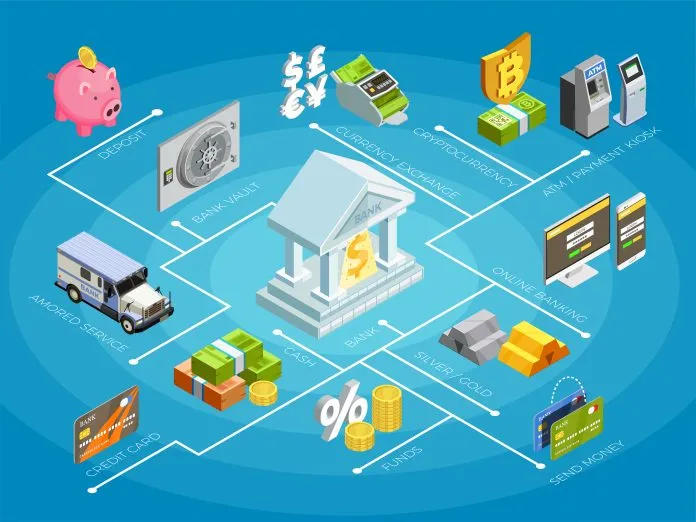
- BinaxPay Team
- 10 Feb, 2026
- 4 mins read
Why Modular Banking Is the New Standard
The global financial system is undergoing a structural redesign, and the core of this transformation is the shift from monolithic banking systems to fully modular, API-driven, cloud-native architectures. Traditional banking infrastructure, built decades ago, was never designed for digital onboarding, instant payments, global markets, AI-driven compliance, or multi-country expansion. As the world moves toward real-time financial ecosystems, modular banking has become the new global standard, and every major financial institution is now racing to adopt it. Modular banking refers to a system where every function, accounts, payments, cards, FX, compliance, lending, onboarding, and even ERP, operates as an independent module. These modules can be activated, upgraded, scaled, replaced, or customized without affecting the rest of the system. This design is not just modern; it is necessary for the future of global finance. 1. Traditional Banking Architecture Cannot Support Modern Needs Legacy banks operate on monolithic cores that are slow, expensive to modify, and extremely difficult to scale. A single change can take months, impacting the entire system. This makes innovation nearly impossible and severely limits expansion into new markets. Modular banking solves this by breaking the infrastructure into independent layers:Core ledger Onboarding and KYC Card issuing Payments Compliance engine FX and treasury Merchant acquiring ERP and business tools AI and automation API gatewayEach module evolves at its own pace, without creating downtime or operational risk. 2. Faster Launch, Faster Innovation, Faster Scaling Modular banking allows new products, markets, and features to go live in weeks, not years. Example: A partner wants to launch a remittance corridor, add mobile money, or activate merchant acquiring. In a modular system, this is simply enabling a module, configuring it, and connecting local rails through APIs. There is no need for:Rewriting core infrastructure Rebuilding compliance systems Changing ledger logic Negotiating months of integrationThis speed is crucial for global expansion, especially in high-demand markets across the U.S., Africa, the Middle East, Asia, and Latin America. 3. Regulatory Compliance Requires Modular Flexibility Regulators now demand:Continuous KYC Real-time AML sanctions screening Fraud monitoring Risk scoring Data privacy Country-specific rules API reportingA monolithic system cannot adapt quickly enough. Modular banking allows each country, partner, or regulatory environment to have its own compliance layer, customized and updated independently. This gives BinaxPay the ability to operate in multiple jurisdictions simultaneously while maintaining EU and UK level compliance standards. 4. Banks, Fintechs, and Governments Prefer API-First Infrastructure Modern financial ecosystems rely on interoperability. APIs allow systems to communicate instantly, enabling:cross-border payments Mobile money integrations Merchant systems Remittance corridors Tax and government systems ERP and business applications Card networks KYC and KYB providersA modular API-first approach allows BinaxPay to integrate:Local payment rails Digital currency infrastructure National ID systems Government portals Enterprise systemsThis flexibility is impossible with monolithic architecture. 5. Modular Banking Supports High-Cash, High-Growth Markets Emerging economies require banking systems that can:Handle large cash populations Integrate mobile money Support low-cost remittance Operate with inconsistent infrastructure Scale fast when usage grows Adapt to local regulations Serve both banked and unbanked populationsA modular system adapts to each local environment without redesigning the entire platform. This is exactly why BinaxPay's structure is ideal for Uganda, Nigeria, Ghana, Kenya, South Africa, India, Brazil, UAE, Turkey, Indonesia, and dozens of rapidly growing markets. 6. Lower Cost, Higher Efficiency, and No Legacy Limitations Traditional banking systems are extremely expensive to maintain and upgrade. Modular banking reduces costs dramatically by:Removing legacy constraints n- Decentralizing development Enabling microservice scaling Automating compliance Using modern cloud infrastructure Reducing operational overheadThis allows BinaxPay and its partners to deliver banking, payments, and ERP services at lower cost and higher profitability. 7. The Future of Finance Is an Ecosystem, Not a Single Product The financial sector is shifting toward multi-function platforms where users expect:Accounts Payments Cards Remittance Merchant tools ERP Payroll AI automationModular banking enables this unified approach by allowing different modules to interconnect seamlessly. BinaxPay's ecosystem is built with this future in mind:Banking and payments ERP and business tools Merchant systems AI and compliance FX and treasury Mobile money Government integrationEverything works together, but each system remains independent and upgradeable. 8. Why Modular Is the New Global Standard The world's major regulators, financial institutions, and fintech leaders agree: the future of banking is modular, API-first, cloud-native, and compliance-automated. This new standard enables:International scalability Near-instant deployment Multi-country compliance Rapid innovation Cheaper operations Stronger security AI-driven intelligence Seamless integration with government and enterprise systemsBinaxPay's architecture is built fully around these principles, allowing us to operate as a global financial infrastructure provider. We are not limited by legacy banking systems, and we do not carry the constraints that slow traditional banks. Our modular ecosystem allows us to expand into new markets, onboard new partners, and deliver advanced financial tools with unmatched speed, security, and precision. This is why modular banking is not just the new trend. It is the new global standard, and BinaxPay is built exactly for this future.