Fintech Basics
A simplified knowledge hub covering essential fintech, banking, and digital finance terms. Clear explanations of key concepts, technologies, and industry fundamentals, all in one place.
-
 BinaxPay Team
 - 01 Jun, 2026
- 12 mins read
A2A Payments and Digital Identity: Why Payment Infrastructure Is Becoming a Trust Layer
Payments are entering a new phase. For many years, digital payments were mainly about convenience. Consumers wanted faster checkout. Businesses wanted more payment options. Banks and fintech platforms focused on moving money from one account, card, or wallet to another with less friction. That is no longer enough. The next major shift is about trust. As account-to-account payments grow, digital wallets become more advanced, and digital identity becomes part of everyday financial activity, payment infrastructure is changing. It is no longer only a transaction layer. It is becoming a wider trust layer connecting people, businesses, accounts, devices, payment methods, permissions, and verified identity data. A payment is no longer just the movement of money. It is becoming a verified financial interaction. That shift matters for every company building modern financial products, marketplaces, platforms, SaaS tools, e-commerce systems, or business finance workflows. Businesses now need more than a payment button or a basic account. They need infrastructure that can support secure onboarding, verified users, compliant accounts, dedicated IBANs, cards, payouts, APIs, webhooks, monitoring, and clean reconciliation. This is the type of infrastructure BinaxPay is built around. What A2A Payments Mean A2A stands for account-to-account payments. In simple terms, A2A payments move money directly from one bank account to another. Instead of relying only on card networks, a payment can be initiated from a customer’s bank account and sent directly to a merchant, platform, business, or recipient account. This can change both the economics and experience of money movement. A2A payments can support:Faster account-based payments Lower dependency on card-only flows Direct bank-connected checkout Peer-to-peer transfers Business payouts Supplier payments Platform payments Wallet-based financial experiences Embedded finance products But A2A payments are not only about speed or cost. They require strong infrastructure behind the scenes. Businesses need to know who is paying, which account is involved, whether the payment is authorized, how the payment should be reconciled, and how that money movement connects to the wider business workflow. That is where payment infrastructure becomes critical. For how programmable transfer and payout flows fit that layer, see money movement APIs explained.Why Digital Identity Is Becoming Part of Payments Digital identity is becoming more connected to financial services because payments depend on trust. A business needs to know who it is onboarding. A platform needs to know whether a seller is verified. A payment provider needs to reduce fraud. A wallet needs to protect sensitive credentials. A company needs audit trails for compliance, risk review, and operational control. As digital wallets evolve, they are no longer only places to store cards or payment credentials. They can also connect identity credentials, business documents, permissions, authentication, loyalty, account access, and financial data. This creates a new question: If wallets can hold both payment methods and identity credentials, how should businesses manage trust? The answer is infrastructure. For how verification and trust show up in account access, see digital identity in private banking. Digital identity requires secure onboarding, verification, data protection, permission management, monitoring, and compliance workflows. Payments require authorization, account structure, reconciliation, risk controls, and auditability. The future will not separate these two layers as much as before. Identity and payments will increasingly work together. Wallets Are Becoming More Than Payment Tools A mobile wallet used to be easy to define. It stored a card. It enabled contactless payment. It made checkout faster. That definition is now too narrow. Modern wallets are becoming broader digital access points. They can connect payments, accounts, identity, documents, loyalty, authentication, and commerce into one experience. For users, this may feel simple: One app. One approval. One secure interaction. For businesses, the backend is much more complex. A wallet-like experience may require:User onboarding Identity verification Account creation Card issuing Payment initiation A2A payment support Transaction monitoring Risk checks Consent management Notifications Reconciliation Audit logs Compliance reporting APIs and webhooks This is why the future of wallets is not only a design challenge. It is an infrastructure challenge. The customer sees the wallet. The business needs the financial engine behind it.Why Payment Infrastructure Is Changing Payment infrastructure is changing because payments are becoming more connected to identity, data, compliance, and automation. In the old model, a payment system could be judged mainly by whether it processed a transaction. In the new model, businesses need to ask deeper questions:Can we verify the person or business behind the payment? Can we connect the payment to a real account? Can we support account-to-account flows? Can we issue cards when needed? Can we separate funds by user, seller, client, region, or project? Can we automate payouts? Can we reconcile every transaction? Can we monitor suspicious activity? Can we give finance teams clear audit trails? Can we embed these workflows into our own platform? This is the new payment infrastructure standard. It is not enough to move money. Businesses need to understand, control, and trust the movement of money.Where BinaxPay Fits BinaxPay supports the infrastructure layer businesses need as payments become more account-based, identity-driven, and programmable. Instead of treating accounts, cards, payouts, compliance, and APIs as separate tools, BinaxPay brings these financial workflows into one operating layer. With BinaxPay, businesses can manage:Multi-currency accounts Dedicated IBANs Virtual and physical cards SEPA and SWIFT transfers Payout workflows KYB and KYC processes User roles and approvals Transaction monitoring Statements and exports APIs and webhooks Reconciliation workflows Audit-ready financial records This matters because A2A payments and digital identity are not standalone trends. They require infrastructure that can support verified users, structured accounts, secure money movement, compliance controls, and real-time visibility. BinaxPay gives businesses the foundation to build around that shift.A2A Payments Need Account Infrastructure A2A payments depend on accounts. That sounds obvious, but it is important. If money moves account to account, businesses need better ways to manage account structures. A single generic account is often not enough. A marketplace may need separate seller balances. A SaaS company may need customer wallets or billing accounts. An e-commerce business may need dedicated collection accounts. A logistics company may need vendor or contractor payment flows. A finance team may need accounts by region, team, client, or project. BinaxPay supports multi-currency business accounts, dedicated IBANs, sub-accounts, roles, permissions, and real-time statements. This gives businesses a more structured way to manage account-based money movement. Dedicated IBANs and sub-accounts are especially important because they make incoming and outgoing flows easier to separate and reconcile. Instead of every payment landing in one place with unclear references, businesses can organize funds around real operational needs. That is the foundation A2A payments require. Digital Identity Needs Secure Onboarding Digital identity becomes meaningful only when onboarding is strong. For businesses, this means knowing who is entering the financial system. A platform onboarding sellers needs KYB and KYC. A business opening accounts needs verification. A marketplace needs seller checks. A fintech product needs customer screening. A company issuing cards needs identity and role controls. A payout system needs verified recipients. BinaxPay supports onboarding workflows, KYB, KYC, AML screening, document handling, access controls, and audit-ready records. This matters because digital identity is not only about proving someone’s name. It is about creating a trusted relationship between the user, the business, and the financial workflow. When identity and payments connect, businesses need onboarding that is secure, compliant, and scalable. A2A, Wallets, and Identity Create a New Trust Layer The future payment experience may look simple from the outside. A customer confirms a payment. A user verifies identity. A seller receives a payout. A platform releases funds. A card is issued. A wallet stores credentials. A business receives an account-based payment. Behind that simple action is a trust layer. That trust layer needs to answer:Who is the user? Is the business verified? Which account is involved? Was consent given? Is the payment authorized? Are there risk signals? Does the transaction match policy? Can the payment be reconciled? Can the event be audited later? This is why payment infrastructure is changing. The financial experience may become more invisible to the user, but the infrastructure behind it must become stronger.Why Businesses Should Care Some businesses may look at A2A payments, wallets, and digital identity and think these are only consumer payment trends. That view is too limited. These trends affect business finance too. A marketplace may need wallet-like seller balances. A SaaS platform may want embedded billing and payouts. An e-commerce brand may want account-based checkout. A logistics company may need fast vendor disbursements. A fintech app may need identity-driven onboarding. A company may want controlled cards and dedicated accounts. A platform may want white-label financial services under its own brand. All of these use cases depend on infrastructure. The winning businesses will not only offer a smoother payment experience. They will also build stronger systems behind that experience. That means better onboarding, cleaner account structures, faster payouts, stronger controls, and more reliable reconciliation. White-Label Banking and the Wallet-Like Experience Not every business wants to become a bank. But many businesses want to offer bank-like features inside their own platforms. This is where white-label banking becomes important. A platform may want branded accounts. A marketplace may want seller wallets. A SaaS product may want customer balances. A fintech app may want cards and IBANs. A business network may want payouts and account-based workflows. BinaxPay white-label banking helps businesses launch branded financial experiences using infrastructure for accounts, IBANs, cards, payments, onboarding, reconciliation, APIs, webhooks, and compliance controls. This is especially relevant as wallets become more than payment apps. The future wallet-like experience may not always look like a traditional wallet. It may be embedded inside a marketplace dashboard, SaaS platform, e-commerce portal, logistics app, or B2B finance product. BinaxPay helps businesses build those experiences without rebuilding the full financial infrastructure from scratch. See white-label and co-branded banking capabilities for how partners launch branded financial products on that stack. Cards Still Matter in an A2A World A2A payments are important, but they do not remove the need for cards. Cards remain useful for business spending, subscriptions, travel, vendor payments, online purchases, procurement, ad platforms, and employee expenses. The future is not cards versus A2A. The future is multi-rail finance. Businesses need different payment methods for different use cases. A2A may be useful for account-based payments and transfers. Cards may be better for controlled spending, subscriptions, and vendor purchases. IBANs may support collections and reconciliation. Payout rails may support suppliers, sellers, and partners. BinaxPay supports this multi-rail approach through accounts, IBANs, cards, SEPA and SWIFT transfers, payout workflows, APIs, and reconciliation tools. BinaxPay cards can also support spending limits, merchant category controls, real-time alerts, monitoring, and usage rules. This allows businesses to manage card activity with the same discipline they apply to account payments. The future of finance is not one payment method. It is flexible infrastructure. Reconciliation Becomes More Important, Not Less As payments become faster and more digital, reconciliation becomes more important. A2A payments, wallet-like balances, card transactions, seller payouts, account transfers, refunds, and cross-border payments all create data that finance teams must understand. If infrastructure is weak, the business may see money moving but struggle to explain why it moved. That creates problems:Finance teams waste time Support teams lack answers Month-end close slows down Audit trails become incomplete Customer or seller disputes become harder to resolve Management loses visibility into cash flow BinaxPay supports reconciliation through dedicated IBANs, sub-accounts, payment references, real-time statements, webhooks, exportable records, and audit-ready logs. This helps businesses connect each payment to the right user, seller, supplier, client, department, project, or region. For how ledgers, settlement, and matching stay aligned across rails, see ledger consistency, reconciliation, and settlement. A modern payment experience should not create more accounting work. It should reduce it.APIs Are the Bridge Between Payments and Products A2A payments, digital identity, wallets, and embedded finance all depend on integration. Businesses need payment infrastructure that can connect with their own products and systems. That is where APIs and webhooks become essential. APIs allow businesses to create accounts, issue cards, trigger payouts, manage users, update limits, and build financial workflows. Webhooks allow systems to receive real-time updates when something happens, such as payment status changes, account activity, card transactions, onboarding events, or compliance updates. BinaxPay supports API-first workflows for accounts, payouts, cards, and reconciliation. This is important because modern finance is becoming product-led. Payments are no longer only handled by finance teams. They are embedded into platforms, apps, portals, marketplaces, and customer journeys. Shared integration vocabulary for accounts, callbacks, and status events is covered in the API banking, webhooks, and integration glossary. APIs make that possible. Practical Use Cases for BinaxPay Marketplace Seller Wallets A marketplace can use BinaxPay infrastructure to support seller onboarding, dedicated accounts or balances, split payouts, scheduled payouts, holds, dispute workflows, and reconciliation. This creates a wallet-like experience for sellers while giving the platform control over compliance, payout timing, and transaction records. A2A-Ready Business Collections A business can use dedicated IBANs and account structures to prepare for more account-based payment flows. Incoming payments can be separated by client, project, region, or department, making reconciliation cleaner. Embedded Finance for SaaS Platforms A SaaS company can use BinaxPay white-label infrastructure to add accounts, cards, payouts, and financial workflows inside its product. This can support billing, customer balances, partner payouts, subscription collection, or operational finance features. Digital Identity-Driven Onboarding A platform can use BinaxPay-supported KYB, KYC, AML, document checks, and access controls to create stronger onboarding before accounts, payouts, or cards are activated. Corporate Cards With Controlled Spending A business can issue virtual or physical cards with limits, category rules, monitoring, and real-time alerts, giving teams flexibility while keeping finance in control. Cross-Border Money Movement A company operating across markets can use multi-currency accounts, IBANs, SEPA and SWIFT transfers, payout workflows, and reconciliation tools to support international finance operations. The Bigger Shift: Payment Experience Is Becoming Infrastructure-Led The most important lesson is simple: The future of payments will not be won only by the best-looking app or the fastest checkout button. It will be won by the strongest infrastructure behind the experience. That infrastructure needs to manage identity, accounts, payment methods, cards, payouts, compliance, risk, data, APIs, webhooks, and reconciliation. A2A payments make account infrastructure more important. Digital identity makes onboarding and trust more important. Wallets make embedded experiences more important. AI-driven commerce makes programmable controls more important. Cross-border payments make multi-currency infrastructure more important. Compliance makes audit-ready workflows more important. BinaxPay brings these layers together for businesses that need to build, operate, and scale modern financial experiences. Conclusion A2A payments and digital identity are changing how financial experiences are built. Payments are becoming more account-based. Wallets are becoming broader trust layers. Identity is becoming part of the payment journey. Businesses are moving toward embedded finance, multi-rail payments, and API-connected financial workflows. This shift creates opportunity, but it also raises expectations. Businesses need infrastructure that can support secure onboarding, verified users, multi-currency accounts, dedicated IBANs, cards, payouts, compliance, APIs, webhooks, monitoring, and reconciliation. BinaxPay provides that infrastructure for modern businesses. The future of payments is not only about moving money. It is about moving money through trusted, programmable, and scalable financial systems.
- BinaxPay Team
- 27 May, 2026
- 9 mins read
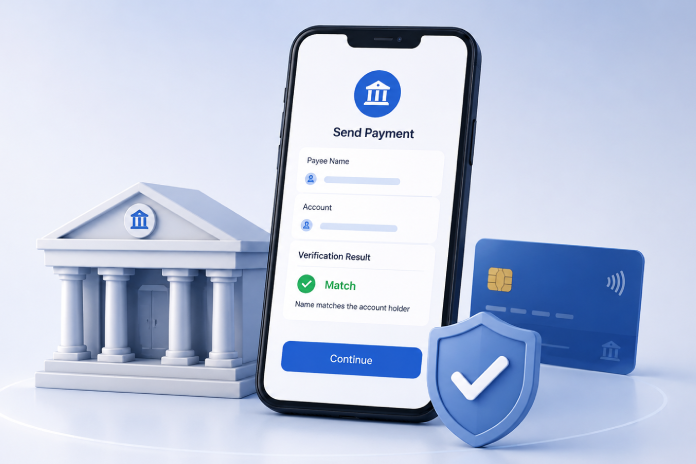
Verification of Payee: Why Name-Account Matching Reduces Payment Mistakes
Payment security is no longer only about moving money quickly. It is also about making sure money reaches the right person or business. When a payer sends money, an IBAN or account number alone does not always confirm that the recipient is correct. A wrong digit, outdated supplier record, fake invoice, impersonation attempt, or incorrect beneficiary name can cause funds to move to the wrong account. Verification of Payee, also known as VoP, helps reduce this risk by checking whether the recipient name entered by the payer matches the account holder name connected to the recipient account. Before the payment is sent, the payer can receive a response such as:Match Close match No match Verification not possibleThis gives the payer an extra warning before money leaves the account. For BinaxPay users and businesses, this matters because secure payments are not only about speed. They are also about beneficiary accuracy, fraud prevention, compliance checks, transaction visibility, reconciliation, and user confidence. What Verification of Payee Means Verification of Payee is a pre-payment check that compares the recipient name with the account identifier used for a transfer. In a SEPA payment flow, the payer enters the beneficiary name and IBAN. The verification process checks whether the name matches the account holder information registered with the recipient’s payment provider. The result helps the payer understand whether the payment details look correct before confirming the transfer. A match gives stronger confidence that the beneficiary details are correct. A close match means the details are similar but need review. A no match is a stronger warning that the name and account details do not align. Verification not possible means the check could not be completed. This simple step can reduce both accidental payment mistakes and more serious fraud attempts. Why Name-Account Matching Matters Many payment problems happen because money is directed to the wrong account. A fraudster may send a fake invoice using a real-looking company name but a different IBAN. A scammer may impersonate a supplier, employee, executive, contractor, or service provider. A business may accidentally use outdated beneficiary details. A user may enter the right name but paste the wrong account number. Without name-account matching, the payment may still be processed if the IBAN is technically valid. Verification of Payee adds an important review step before the payment is released. It helps identify:Incorrect beneficiary names Wrong or outdated IBANs Fake invoice details Supplier impersonation Manual input mistakes Suspicious beneficiary changes Misdirected paymentsVoP does not remove every payment risk, but it gives the payer a clearer warning before approving the transaction. Why VoP Is Becoming Important for Payment Security As instant payments grow, money can move faster than ever before. Speed is useful, but it also leaves less time to detect mistakes or stop fraud. If money is sent instantly to the wrong account, recovery can be difficult. That is why payment security needs to happen before the transfer is completed. Verification of Payee supports safer payment execution by checking beneficiary details before money moves. It gives users and businesses a clearer decision point before confirming a transfer. Modern payment security depends on:Beneficiary accuracy Account-name checks Fraud warnings Payment confirmation Transaction monitoring Compliance controls Real-time visibility Reconciliation recordsVoP is becoming an important part of safer payment workflows for users, businesses, financial platforms, and payment providers. How Verification of Payee Works A VoP check happens before the payment is executed. The payer enters the recipient name and IBAN. The sending payment provider sends a verification request. The receiving side checks whether the provided name matches the account holder details. A result is returned before the payer confirms the payment. A typical flow looks like this:The payer enters the recipient name and IBAN. The payment provider sends a verification request. The receiving provider checks the account details. The system returns a match result. The payer reviews the response. The payer decides whether to continue, correct, or cancel.This creates a safer payment experience because the payer is not sending funds blindly. Match, Close Match, No Match, and Verification Not Possible VoP results help users understand the payment risk before sending money. Match means the name and account information align. This gives the payer stronger confidence that the beneficiary details are correct. Close match means the name is similar but not exact. This may happen because of spelling differences, abbreviations, legal entity names, trading names, initials, or formatting differences. The payer should review the details carefully before continuing. No match means the entered name does not match the account details. This is a stronger warning. The payer should check the beneficiary information before proceeding. Verification not possible means the check could not be completed. This may happen because of technical limitations, unavailable account data, unsupported payment routes, or other verification constraints. These responses help users make better decisions before money leaves the account. How VoP Reduces Payment Mistakes Not every payment problem is caused by advanced fraud. Many are caused by simple mistakes. A user may copy the wrong IBAN. A business may select the wrong supplier. A finance team may use outdated account details. A beneficiary name may be typed incorrectly. A company may have several vendors with similar names. Verification of Payee helps reduce these mistakes by checking the relationship between the name and the account. VoP can help prevent:Payments to the wrong person Supplier payment mistakes Invoice processing errors Wrong account selections Accidental beneficiary mismatches Internal finance-team errors Misdirected SEPA paymentsThis is especially useful for businesses that send payments to many suppliers, contractors, partners, employees, vendors, or service providers. How VoP Helps Fight Fraud Fraudsters often try to manipulate beneficiary details. A fake invoice may show the correct business name but include a fraudulent account number. A scammer may pretend to be a supplier and ask for payment details to be changed. An attacker may impersonate a director or finance manager and request an urgent transfer. Verification of Payee helps detect this type of manipulation before the payment is sent. It strengthens protection against:Invoice fraud Supplier impersonation Business email compromise Authorized push payment scams Fake beneficiary changes Payment redirection scams Account substitution fraudWhen the name and account details do not align, VoP gives the payer time to stop, check, and correct the payment before funds move. For how disputes and fraud workflows fit alongside prevention, see chargebacks, disputes, and fraud workflows. Why VoP Matters for SEPA Payments SEPA payments are widely used for euro transfers across participating European markets. As SEPA Instant becomes more common, payments can move very quickly. That makes pre-payment verification more important. Verification of Payee strengthens SEPA payment safety by checking beneficiary details before execution. For SEPA users and businesses, VoP supports:Safer euro transfers Stronger beneficiary accuracy Reduced misdirected payments Better fraud warnings More trust in instant payments Cleaner payment approval workflows Improved payment confidenceA faster payment system needs stronger checks. VoP helps create the balance between speed and safety. BinaxPay and Safer Payment Workflows BinaxPay is built around secure financial workflows, including onboarding, multi-currency accounts, dedicated IBANs, SEPA and SWIFT payment capabilities, cards, APIs, webhooks, KYC, KYB, AML checks, access controls, and reconciliation. These layers support safer payment operations. BinaxPay gives businesses the structure to manage:Account details Payment instructions Beneficiary records Card activity Payout flows Transaction status Compliance checks Webhook notifications Reconciliation records Audit-ready reportingVerification of Payee belongs to the same security direction: payment details should be checked before money moves, and payment activity should remain visible after it moves. Beneficiary Accuracy Builds Payment Confidence A payment is only safe when the beneficiary is correct. BinaxPay payment workflows depend on accurate account details, verified users, strong controls, and clear records. Beneficiary accuracy helps reduce payment errors and improves confidence before a transfer is approved. VoP strengthens beneficiary accuracy by asking one important question: Does the name entered by the payer match the account that will receive the money? This check helps users and businesses avoid sending money to the wrong destination. Payment confidence improves when the payer can clearly see:Who they are paying Which account is being used Whether the name matches Whether the details need review Whether the payment should be corrected Whether the payment can continueThis makes payment approval more informed and more secure. VoP for Business Payment Operations Businesses often manage many beneficiaries. They may pay suppliers, contractors, staff, service providers, vendors, marketplaces, partners, and cross-border recipients. With many payment records, mistakes can happen. Verification of Payee gives finance teams a stronger review layer before payment execution. It helps businesses:Validate beneficiary details Reduce supplier payment errors Detect suspicious account changes Improve finance-team confidence Reduce manual review pressure Prevent payment redirection fraud Keep cleaner payment recordsFor growing businesses, this can reduce operational risk and improve payment discipline. VoP and Reconciliation Verification of Payee happens before a payment is sent, but it can also support better reconciliation after the payment is completed. When beneficiary data is accurate, transaction records are easier to match. Finance teams can connect payments to the correct supplier, invoice, account, card, or settlement record. Better beneficiary accuracy supports:Cleaner payment records Better supplier matching Fewer unexplained payments Easier transaction review Improved audit trails Better payment reporting Faster reconciliationBinaxPay supports reconciliation through transaction records, APIs, webhooks, statements, and account-level reporting. VoP strengthens the data quality before the payment enters the wider recordkeeping process. VoP and API-Driven Payments Verification of Payee also matters for platforms and businesses that use APIs to send or manage payments. API-driven payments allow businesses to automate payment workflows. But automation needs strong controls. If a system sends payments automatically, beneficiary accuracy becomes even more important. VoP-style checks support safer automation by verifying payment details before execution. For API-driven payment environments, this supports:Safer payout workflows Beneficiary validation Reduced automated payment errors Better fraud prevention Stronger approval logic Clearer payment status Improved reconciliationBinaxPay uses APIs and webhooks to support account creation, card issuing, payouts, and reconciliation. Strong beneficiary data helps these workflows run more safely and clearly. VoP Does Not Replace Other Security Controls Verification of Payee is important, but it is not the only payment security layer. It checks whether the payee name matches the account identifier. It does not replace KYC, KYB, AML screening, sanctions checks, device monitoring, fraud scoring, transaction limits, approval workflows, or user education. A strong payment security model needs multiple layers, including:Identity verification Business verification AML checks Sanctions screening Account controls Beneficiary accuracy Transaction monitoring Payment alerts Approval workflows Reconciliation Audit recordsBinaxPay brings many of these controls into its account, payment, card, API, and compliance infrastructure. For shared compliance vocabulary, see the KYC, KYB, AML, and CFT compliance dictionary. VoP strengthens the payment journey by adding another important check before execution. Final Thought Trust in payments depends on accuracy. Users need to trust that money is going to the right person or business. Businesses need to trust that supplier records are correct. Platforms need to trust that automated payments are not moving funds to wrong or manipulated accounts. Verification of Payee builds trust by making payment details more transparent before money moves. It gives users and businesses a chance to stop, review, and correct payment details when something does not match. In modern finance, payment trust is not only about speed. It is about knowing that the right money is going to the right destination.

- BinaxPay Team
- 25 May, 2026
- 9 mins read
Money Movement APIs Explained: How BinaxPay Helps Businesses Move Funds at Scale
Money movement is the foundation of every modern financial platform. Every payout, transfer, merchant settlement, card transaction, supplier payment, payroll run, FX conversion, and cross-border transaction depends on one critical requirement: funds must move securely, accurately, and at scale. For growing businesses, manual payment operations quickly become too slow. Spreadsheets, banking portals, batch files, delayed confirmations, and disconnected reconciliation reports may work at low volume, but they create pressure when transaction activity grows. Money movement APIs solve this by turning transfers, payouts, settlement, status updates, and reconciliation into programmable financial workflows. A money movement API allows a business system to initiate transfers, route funds, confirm transaction status, receive webhook updates, and reconcile completed payments directly through software. BinaxPay helps businesses manage money movement through multi-currency accounts, payments, cards, secure onboarding, compliance-first operations, API connectivity, webhooks, reporting, and reconciliation. 1. What a Money Movement API Does A money movement API is a secure software connection that allows a business to move funds without handling every payment manually. Instead of logging into several banking portals, uploading payout files, checking balances, and matching reports by hand, a business can connect its own platform, dashboard, ERP system, marketplace, or partner application directly to a financial infrastructure layer. Through API-based money movement, businesses can:Send payouts Move funds between wallets or accounts Initiate bank transfers Process merchant settlements Check balances Track payment status Receive webhook updates Reconcile completed transactionsFor marketplaces, seller payouts can be managed through structured API instructions instead of manual payout files. BinaxPay APIs help platforms send payment instructions, track transfer status, receive webhook updates, and reconcile completed payouts automatically. 2. How API-Based Transfer Flows Work API-based transfer flows convert a payment instruction into a controlled financial process. The flow starts when a platform sends a transfer request. The system authenticates the request, checks permissions, validates the recipient, confirms available balance, applies compliance rules, selects the correct payment rail, updates the ledger, and returns a transaction status. A standard API-based transfer flow may include:API request authentication Recipient validation Balance verification Compliance screening Payment rail selection Ledger update Webhook confirmationFor payroll and workforce payment flows, APIs help move money from approval to execution through one controlled process. The payment request can be validated, checked against available balance, screened through risk controls, routed through the right payment rail, recorded in the ledger, and updated through webhook events as the status changes. 3. Why Businesses Need Programmable Money Movement Modern businesses move funds in many directions. A platform may collect money from customers, split funds between sellers, settle merchants, pay contractors, refund users, issue cards, or move balances between accounts. Manual operations make this slow. Programmable money movement makes it scalable. Key benefits include:Faster payout execution Lower manual workload Fewer payment errors Better transaction visibility Cleaner reconciliation Improved customer experience Easier expansion across regionsFor delivery, logistics, marketplace, and field-service businesses, payout rules can be connected directly to operational activity. Completed jobs, verified recipient details, approved balances, and business payment rules can all trigger structured payouts through BinaxPay APIs. 4. Multi-Rail Money Movement Businesses do not operate through one payment method only. Some users need bank payouts. Others may use wallet transfers. Merchants may need card settlement. International businesses may need FX and local payment rails. BinaxPay connects accounts, wallets, cards, payments, FX, payouts, collections, merchant settlement, reporting, and reconciliation through one API-driven structure. Supported money movement use cases may include:Bank transfers Wallet transfers Card-based flows Payment link flows Merchant settlement Local and cross-border routing FX-supported transfers where availableFor multi-market platforms, payment activity often moves across cards, wallets, bank rails, and local payment methods at the same time. BinaxPay helps connect these flows into one operational layer, giving businesses a clearer way to manage collections, payouts, settlement, status updates, and reconciliation. For how major bank and card rails differ in speed and use cases, see payment rails explained (ACH, SEPA, SWIFT, FPS, RTGS). 5. Payout APIs for Platforms and Marketplaces Payouts are one of the most common money movement API use cases. Platforms often need to pay sellers, drivers, creators, freelancers, agents, merchants, suppliers, or contractors. For a platform, payout infrastructure must support more than a simple transfer. It must handle fund routing, payout timing, fee separation, wallet balances, settlement rules, failed payments, and reporting. Payout API capabilities can include:Seller payouts Driver payouts Contractor payments Merchant settlements Platform fee collection Split payment logic Scheduled payout timingIn marketplace settlement, one customer payment may need to be separated into seller revenue, platform commission, delivery cost, fees, and reserves. Money movement APIs help route each portion to the correct balance, wallet, or payout destination while keeping the full transaction traceable. 6. Ledger Updates Behind Every Transfer A money movement API is only reliable when it is supported by a strong ledger. Every transfer needs a clear record: who sent the money, who received it, what balance changed, what fee was applied, which currency was used, what rail carried the payment, and what status the transaction reached. Ledger capabilities include:Real-time balance updates Transaction history Settlement records Merchant balance tracking Treasury visibility Fee tracking Audit-ready financial logsFor merchants accepting payments across different channels, every transaction must update balances, record fees, track payment status, and prepare settlement data. A real-time ledger makes these movements visible, structured, and easier to reconcile. 7. Webhooks for Real-Time Status Updates APIs initiate payment actions. Webhooks report what happens next. A business needs to know whether a payout was created, pending, completed, failed, reversed, refunded, or under review. Without webhook updates, finance teams and support teams would need to check payment status manually. Webhook events can support:Payout status updates Failed payment alerts Settlement confirmations Reversal notifications Dispute events Reconciliation events Dashboard synchronizationWebhook updates keep high-volume payment operations synchronized. As transfers move from pending to completed, failed, reversed, or under review, the connected business dashboard can update automatically without manual status checks. For shared terminology around callbacks and integrations, see the API banking, webhooks, and integration glossary. 8. FX and Cross-Border Transfers Money movement becomes more complex when businesses operate across countries and currencies. A cross-border transfer may involve FX conversion, local payout routing, treasury availability, compliance checks, settlement timing, and reconciliation across different financial rails. BinaxPay supports businesses with multi-currency accounts, global payment workflows, cards, cross-border payment infrastructure, dedicated account details where available, and compliance-first operations. Cross-border capabilities can include:Multi-currency accounts FX conversion Cross-border payouts Local currency settlement Treasury pool routing Corridor-level tracking Transaction reportingFor cross-border business payments, money movement APIs must support currency conversion, local payout routing, treasury availability, and settlement reporting. BinaxPay helps connect multi-currency accounts, FX workflows, and local payout routes into one controlled payment flow. For how funds move across regions inside the platform, read how money moves inside the BinaxPay global ecosystem. 9. Local Payment Rails In many markets, local payment rails are essential. Businesses that want to reach users, agents, merchants, and contractors in different regions need flexible payment infrastructure. This is especially useful for payouts, collections, field operations, merchant payments, and financial inclusion use cases. Local payment rail capabilities may include:Local deposits Local withdrawals Local payout routing Payment confirmation callbacks Transaction status checks Bulk disbursement supportFor bulk disbursement programs, local payment APIs make it possible to send funds to large recipient groups through supported regional rails. Confirmation callbacks help teams track which transfers are completed, pending, or failed without relying on manual checks. 10. Compliance Inside Money Movement Moving money quickly is not enough. It also needs to move safely. Every transfer may require identity verification, business verification, AML screening, sanctions checks, transaction limits, corridor controls, approval workflows, fraud monitoring, and audit records. BinaxPay is designed around secure onboarding, compliance-first operations, and business banking infrastructure for modern companies. Compliance capabilities include:KYC checks KYB verification AML screening Sanctions checks Transaction limits Risk scoring Audit logsFor high-value or sensitive transfers, payment execution should be connected to risk and compliance controls. Sender details, recipient information, available balance, transaction corridor, risk profile, limits, and screening rules can be reviewed before funds are released. 11. Reconciliation and Reporting Moving money is only part of the work. Businesses also need to know how every transaction connects to balances, fees, settlements, refunds, disputes, and reports. Reconciliation connects payment instructions to completed transfers, ledger records, settlement files, and accounting reports. Reconciliation capabilities include:Transaction matching Payout reports Settlement reports Fee tracking Ledger exports Merchant statements Audit-ready logsFor finance teams, reconciliation becomes easier when payment activity, fees, settlement timing, refunds, disputes, and final balances are connected in one reporting layer. This reduces manual matching and gives businesses a clearer view of completed money movement. For ledger matching and settlement timing in practice, see ledger consistency, reconciliation, and settlement. 12. Treasury and Liquidity Control Scalable money movement depends on liquidity. A business cannot send payouts reliably if funds are not available in the right account, region, currency, or payment rail. Treasury control helps ensure that payment flows are supported by available balances, funding rules, FX planning, and local payout capacity. Treasury capabilities include:Treasury pool visibility Local payout liquidity FX-linked balance control Settlement funding Corridor monitoring Liquidity alerts Cross-region balance planningAt scale, payout reliability depends on liquidity planning. Treasury controls help ensure the right balances, currencies, and payout pools are available before high-volume payment activity begins. 13. How APIs Improve Business Operations Money movement APIs reduce the gap between business activity and financial execution. When a seller is approved, a wallet can be created. When an order is completed, a payout can be scheduled. When a payment fails, support can see the status. When settlement closes, reports can be generated. When a risk rule is triggered, a transaction can pause for review. Operational benefits include:Faster financial workflows Lower manual workload Fewer operational errors Better payment visibility Easier regional expansion Stronger customer experience More reliable reconciliationFor businesses expanding across regions, APIs reduce the need to build separate payment operations in every market. Recipient setup, payouts, status updates, reporting, and reconciliation can be managed through one connected infrastructure layer. 14. Money Movement APIs for White-Label and Embedded Finance Money movement APIs also support companies that want to launch financial services under their own brand. A white-label or embedded finance platform may need accounts, wallets, cards, payouts, merchant settlement, reconciliation, compliance checks, and webhooks while keeping the customer-facing experience under its own brand. Embedded finance capabilities can include:Branded account experiences Wallet infrastructure Virtual and physical cards Seller onboarding Global payouts Escrow-style flows Automated reconciliationFor white-label and embedded finance programs, businesses can offer accounts, wallets, cards, payouts, and settlement features under their own brand while BinaxPay supports the underlying financial infrastructure, compliance workflows, and reconciliation layer. Conclusion Money movement APIs are now a core layer of modern financial infrastructure. They help businesses move funds through software instead of manual operations, making payouts, collections, wallet transfers, merchant settlement, FX, reconciliation, and reporting easier to scale. For BinaxPay, money movement APIs connect accounts, wallets, cards, payouts, payment rails, FX, compliance, treasury, ledgers, webhooks, and reporting into one controlled infrastructure layer. The value is not only speed. It is control, visibility, and reliability. With the right API infrastructure, businesses can move funds at scale, reduce manual work, protect users, support compliance, improve reconciliation, and build stronger financial products across markets.
- BinaxPay Team
- 22 May, 2026
- 10 mins read
AI-Era Account Takeover: Why BinaxPay Security Goes Beyond Login Protection
BinaxPay security does not depend only on passwords, one-time codes, or basic login checks. In today’s AI-driven threat environment, attackers can move faster, automate fraud attempts, create convincing phishing messages, reuse stolen credentials, manipulate devices, and test account weaknesses at scale. That is why BinaxPay protects account activity through a layered security model that goes beyond login protection. BinaxPay uses AI-driven monitoring, behavioral risk intelligence, device analysis, transaction pattern detection, corridor risk scoring, real-time alerts, card fraud monitoring, protective freezes, compliance controls, encryption, tokenization, and segmented infrastructure. These layers help protect users, merchants, partners, cards, wallets, payments, liquidity pools, and financial flows across regions. Account security at BinaxPay is not treated as a single login event. Every sensitive action matters: login behavior, device usage, card activity, transaction velocity, payment corridors, account changes, suspicious sessions, and recovery requests. The goal is simple: protect the user, protect the account, protect the card, protect the payment, and keep financial activity secure in an AI-driven threat environment. 1. Account Takeover Is More Than a Stolen Password Account takeover happens when an attacker gains access to a user’s account and starts acting like the real account holder. The attacker may try to view balances, change account details, add payout information, misuse cards, move funds, or trigger account recovery. BinaxPay treats account takeover as a behavioral security risk, not only a password problem. The platform analyzes user behavior, transaction patterns, device signals, geolocation data, corridor risks, historical activity, and transaction velocity to detect unusual behavior before it causes damage. BinaxPay security helps detect:irregular login attempts suspicious session behavior unknown device activity unusual geolocation patterns fast-changing account behavior transaction spikes abnormal card usage unusual transfer timing repeated failed attempts risky payment corridors This means suspicious activity can be identified even if an attacker has some correct login information. A stolen password alone should not be enough to safely move through the BinaxPay environment.2. AI-Driven Monitoring Across Account Activity BinaxPay uses AI-driven monitoring to analyze account behavior, transaction patterns, device signals, corridor flows, and risk indicators across regions. This intelligent monitoring layer strengthens fraud detection, reduces operational risk, and supports regulatory compliance without slowing down legitimate activity. Every event is evaluated in real time. BinaxPay AI monitoring helps detect:unusual amount spikes rapid transaction activity repeated failed attempts corridor-specific anomalies duplicate transaction patterns cross-device behavior high-risk activity sequences abnormal card behavior transaction velocity changes unusual time-of-day activity This helps BinaxPay protect users and partners without depending only on fixed rules. The platform can evaluate behavior dynamically and respond when account activity changes suddenly.3. Device Trust and Identity Confidence A correct password does not always mean account access is safe. Attackers can steal credentials through phishing, malware, leaked databases, fake support messages, or social engineering. That is why BinaxPay uses device intelligence as part of its security layer. The platform can evaluate signals such as device identity, browser behavior, IP activity, geolocation patterns, operating environment, login behavior, and previous risk history. BinaxPay device protection supports:device fingerprinting unknown-device detection device-switch pattern monitoring IP and geolocation analysis suspicious routing detection browser and session review device-linked risk scoring additional checks for unusual access When a login comes from a device or location that does not match the user’s normal behavior, BinaxPay’s risk engine can raise the risk score and apply stronger verification before sensitive activity continues.4. Phishing Protection Through Behavior Detection Phishing is one of the most common ways attackers target financial users. A phishing attempt may use fake login pages, fraudulent emails, fake support messages, urgent payment requests, or misleading account alerts. BinaxPay helps reduce phishing-related risk by monitoring what happens around account access and financial activity. The platform does not only look at whether a login was completed. It also monitors what follows the login: device changes, session behavior, payment activity, card usage, transaction velocity, payout attempts, and unusual account changes. BinaxPay helps detect phishing-related risk through:suspicious login monitoring abnormal session behavior detection unknown-device review unusual payment pattern analysis repeated failed attempt monitoring risky payout behavior detection real-time account alerts card and transaction monitoring This makes BinaxPay security stronger because phishing often becomes visible through behavior. If an account suddenly acts differently, the platform’s monitoring layer can detect the change and help reduce risk.5. Suspicious Login Behavior Monitoring A login should not be treated as safe only because the password is correct. BinaxPay reviews login activity as part of a wider behavioral risk model. Login activity can be evaluated alongside device signals, geolocation consistency, transaction frequency, account history, and time-of-day behavior. Suspicious login behavior may include:login from a new country login from an unfamiliar device repeated failed login attempts unusual login time cross-device activity location inconsistency login followed by high-risk activity login followed by payment changes login followed by card activity changes login from risky network patterns BinaxPay continues evaluating account activity after authentication. This helps protect the account even when an attacker attempts to use valid credentials.6. Step-Up Verification for Higher-Risk Activity Not every account action carries the same level of risk. Viewing account information is different from sending a large payment, changing payout details, using a card unusually, or accessing the account from a new device. BinaxPay applies stronger checks when risk increases. The platform can evaluate device trust, user behavior, transaction amount, corridor risk, account history, payment velocity, card activity, and compliance rules before allowing sensitive activity to continue. Step-up protection can apply to:unusual login attempts unknown-device access high-risk payment corridors large or unusual transactions suspicious card activity abnormal payout behavior rapid account changes repeated failed attempts activity outside normal behavior This helps BinaxPay keep ordinary account activity smooth while adding stronger protection around sensitive or unusual actions.7. Real-Time Risk Scoring for Every Transaction BinaxPay applies dynamic risk scoring to transaction and account activity. Every transaction can be reviewed using risk inputs such as user behavior, device trust, currency risk, corridor risk, transaction velocity, payment rail risk, compliance rules, and historical activity. BinaxPay risk scoring helps evaluate:who is making the transaction what device is being used where the transaction is going whether the amount is unusual whether the corridor carries higher risk whether activity is moving too quickly whether card behavior looks abnormal whether the transaction matches account history whether compliance checks require more review This gives BinaxPay a deeper view of transaction safety. A payment is not judged only by amount. It is reviewed as part of the full account, device, behavior, corridor, and compliance profile.8. Real-Time Alerts for Account, Card, and Payment Activity BinaxPay uses real-time alerts to keep account activity visible. Alerts help reduce the time between suspicious activity and response. This matters because account takeover, card fraud, and payment fraud can move quickly. BinaxPay alert coverage can include:suspicious login activity payment events payout events card transactions wallet changes failed payments webhook-level fraud alerts FX execution events unusual account behavior high-risk transaction signals Real-time visibility helps users, partners, and risk teams respond faster when something unusual happens. Account activity should not stay hidden until after damage is done.9. Card Controls and Fraud Monitoring BinaxPay protects card activity through tokenized card data, real-time monitoring, fraud detection, spend rules, 3-D Secure, PIN reveal, freeze and unfreeze controls, and transaction alerts. Cards are used across many environments: online payments, subscriptions, travel, business expenses, marketplaces, merchant payments, and everyday spending. This makes card activity a key area for fraud monitoring. BinaxPay card protection includes:virtual and physical cards tokenized card data real-time transaction monitoring fraud detection suspicious activity alerts spend rules merchant category controls 3-D Secure PIN reveal freeze and unfreeze transaction visibility If card behavior becomes unusual, BinaxPay can detect the risk and support protective action. Freeze and unfreeze controls also give users a fast way to respond when a card needs to be restricted.10. Protective Freezes and Instant Risk Actions BinaxPay’s AI fraud and behavioral intelligence layer supports instant alerts, freezes, and protective actions when risk is detected. This matters because account takeover and payment fraud can happen quickly. A slow response can allow an attacker to complete more actions before the account is protected. BinaxPay protective actions can include:auto-freezing suspicious cards reducing limits during high-risk activity requesting stronger verification notifying users of suspicious activity enforcing cooling periods temporarily restricting risky actions escalating suspicious activity for review These controls help BinaxPay respond before suspicious activity spreads across the account, card, payment, or wallet environment.11. Fraud Network Detection Modern fraud is often coordinated. Attackers may use linked accounts, shared devices, repeated transfer patterns, synthetic identities, circular payments, or coordinated card activity. BinaxPay’s AI risk engine supports fraud network detection by reviewing relationships across accounts, devices, transfers, and suspicious behavior. Fraud network detection helps identify:linked devices suspicious peer-to-peer transfers synthetic identity clusters circular transaction patterns coordinated account behavior repeated fraud signals unusual group activity This helps BinaxPay detect broader fraud behavior, not only isolated account events. If several accounts behave suspiciously in connected ways, the system can recognize the pattern earlier.12. Compliance Controls Inside Security Security and compliance work together inside BinaxPay. BinaxPay uses KYC, KYB, AML screening, sanctions controls, risk scoring, transaction monitoring, reporting, and audit-ready records. These layers help protect accounts from identity misuse, unauthorized access, financial crime, and suspicious activity. BinaxPay compliance security supports:identity verification document checks KYC and KYB review AML screening sanctions checks risk scoring transaction monitoring audit-ready records compliance-based account review This makes BinaxPay security both technical and procedural. The platform protects account activity through verified identity, transaction oversight, compliance review, and traceable records.13. Secure Recovery After Suspicious Activity Secure recovery is part of BinaxPay’s cyber-resilience model. If an account, card, device, credential, or session becomes risky, the platform must help restore control safely. Recovery should protect the user without giving attackers another route into the account. BinaxPay secure recovery can involve:reviewing suspicious activity restricting risky actions freezing affected cards removing risky device access resetting access through verified channels reviewing recent payments checking beneficiary activity escalating high-risk cases preserving audit records Recovery is not only about restoring access. It is about making sure access returns safely to the correct user with stronger protection around future activity.14. System Segmentation for Risk Isolation BinaxPay uses strict multi-layer system segmentation to isolate risk and protect sensitive platform components. Core functions such as ledger, routing, cards, compliance, treasury, mobile money, API gateways, and reporting operate in separated security zones. This reduces the chance that a risk event in one area spreads across the wider ecosystem. BinaxPay segmentation supports:ledger separation card system isolation payment flow separation compliance layer protection treasury and FX separation API gateway segmentation independent monitoring micro-firewall protection rate limits anomaly detection This strengthens the BinaxPay environment because sensitive systems such as ledger, compliance, KYC, cards, treasury, and payments operate with stronger isolation and monitoring.15. Encryption, Tokenization, and Data Protection BinaxPay protects sensitive data with end-to-end TLS, AES-256 encryption at rest, tokenization, zero-trust access, secure vaults, region-specific isolation, and continuous monitoring. These controls help protect account, payment, card, identity, and partner data. BinaxPay data protection includes:TLS encryption in transit AES-256 encryption at rest tokenized payment and card data zero-trust access controls secure vaults region-specific isolation continuous monitoring anomaly alerts protected sensitive data zones This gives BinaxPay a stronger infrastructure foundation. Security is not only applied at login. It is built into how sensitive data, cards, payments, APIs, and account activity are protected.16. Webhooks and Event-Level Monitoring BinaxPay supports webhooks for real-time event notifications. These webhooks help synchronize account, card, payment, wallet, FX, fraud, and transaction events across connected systems. Event-level monitoring supports:successful payment notifications failed payment notifications payout events card transaction events wallet changes webhook-level fraud alerts account creation events FX execution events This helps BinaxPay keep financial activity visible and traceable. Important events can be recorded, monitored, and delivered quickly to the right system layer.17. AI-Era Resilience Across the BinaxPay Platform AI-era threats are changing financial security. Attackers can automate reconnaissance, create more convincing phishing messages, test stolen credentials at scale, identify weaknesses faster, and coordinate fraud across multiple accounts. BinaxPay responds with a layered model that combines:AI-driven fraud detection behavioral risk intelligence device trust analysis transaction velocity checks corridor risk scoring card fraud monitoring real-time alerts protective freezes KYC and KYB controls AML screening encryption tokenization zero-trust access system segmentation secure recovery audit-ready monitoring This layered model helps BinaxPay protect users, merchants, partners, cards, wallets, payments, liquidity pools, and financial flows against modern fraud and account takeover attempts.

- BinaxPay Team
- 22 Jan, 2026
- 3 mins read
Digital Wallets, Ledgers & Balance Management
Digital wallets and ledger systems form the backbone of every fintech platform. They ensure that user balances, transaction histories, and financial movements are recorded accurately, securely, and in real time. Without a reliable ledger architecture, no digital bank, payment service, or mobile money platform can operate safely. A digital wallet is a virtual container where users store and move their funds. Behind the scenes, every deposit, withdrawal, transfer, or card transaction is recorded in the ledger: a structured, unchangeable financial database that guarantees accuracy, compliance, and transparency. 1. Digital Wallets: The User Interface of Money A digital wallet allows users to:send and receive money store multiple currencies make purchases pay merchants receive payouts manage balances instantlyDigital wallets can be:Closed wallets: funds only usable inside the platform Semi-closed wallets: usable with approved merchants Open wallets: linked to bank systems for full withdrawals and transfersWallets operate through tokenized balance logic, meaning the platform reflects the user’s money digitally while safeguarding real funds in regulated accounts. 2. Core Ledger: The Brain of the Financial System The ledger is a secure financial database that tracks:all incoming funds all outgoing funds pending transactions available balance reserved balance currency records multi-rail transaction movementsEvery action updates the ledger using double-entry accounting, ensuring $Debit = Credit$. Always. No exceptions. This prevents errors, fraud, and balance manipulation. For shared vocabulary across ledgers, wallets, and rails, see core banking terms every fintech should know. When operations teams close the loop between internal postings and external statements, ledger consistency, reconciliation, and settlement explains the full control chain. 3. Balance Types in Fintech Platforms Most fintech systems track three key balances:Available balance: what the user can spend Pending balance: locked until settlement (e.g., card pre-authorizations) Ledger balance: total balance including pending and reserved amountsThis keeps the system safe during high-volume activities like payouts, mobile money transfers, or merchant settlements. 4. Real-Time Ledger Synchronization A modern ledger must support:instant wallet-to-wallet transfers API-based payouts mobile money transactions card payments foreign exchange conversion merchant settlementsEvery movement updates the ledger instantly to avoid:double spending negative balances fraud incorrect reporting5. Reserved Balance for Risk Protection Platforms often freeze a portion of funds temporarily:during KYC review after suspicious activity when waiting for settlement for card refund windows for mobile money reversal windowsThis reduces operational and regulatory risk. 6. Multi-Currency Ledger Management A fintech platform must handle multiple currencies:EUR USD GBP KES NGN BRL INR and moreEach currency has its own ledger to avoid mix-ups and ensure accurate FX conversion. 7. Audit Trail and Regulatory Transparency Every ledger action is permanently stored with:timestamp user ID transaction reference IP or device fingerprint before and after balance currency type approval statusThis creates a full audit trail for regulators, banks, PSPs, and internal compliance teams. Real-Life Example Scenario: A business in Germany receives a EUR payout to its local bank account (SEPA). A German merchant requests a payout of EUR 12,000 to their company bank account. The ledger checks the merchant’s available balance to confirm sufficient funds. The ledger deducts EUR 12,000 and marks it as a pending settlement. The system sends the payout request through SEPA Instant or SEPA Credit Transfer. Once the bank confirms successful settlement, the ledger finalizes the transaction. The merchant’s available and ledger balances are updated instantly. A full audit trail is recorded for compliance, including timestamp, IP, balance change, and transaction reference. Result: Fast, compliant, fully traceable settlement inside the EU banking system with no errors and complete financial transparency. Digital wallets and ledger systems ensure that every fintech platform remains accurate, compliant, and capable of handling millions of secure transactions.

- BinaxPay Team
- 10 Jan, 2026
- 3 mins read
Payment Rails Explained (ACH, SEPA, SWIFT, FPS, RTGS)
Modern fintech platforms rely on multiple payment rails to move money across countries, banks, and currencies. Each rail has its own speed, cost, region, and use case. Understanding these rails is essential for building, operating, or expanding a financial product. This guide explains the core global rails used in banking, fintech, and cross-border finance. Country switches and national instant networks sit alongside these rails—see national payment systems (NIBSS, NPCI, SEPA, FedNow). For push-payment brands and instant retail schemes, the real-time payments glossary (RTP, PIX, UPI) maps how users experience speed in practice. 1. ACH (Automated Clearing House) - United States ACH is the primary bank-to-bank transfer system in the USA, used for payroll, bills, payouts, and business payments. Key points:Region: United States Speed: Same-day ACH or 1-3 business days Use cases: Salaries, invoice payments, subscription billing Low cost but not instant Batch-processing system (transactions grouped together)Best for: Low-cost domestic transfers inside the U.S. 2. SEPA - European Union and EEA SEPA (Single Euro Payments Area) allows fast and inexpensive EUR transfers across 36 European countries, including Germany and Sweden (via SEPA membership). Types:SEPA Credit Transfer (SCT): 1 business day SEPA Instant Transfer (SCT Inst): ~10 seconds, 24/7Key points:Only for EUR currency Highly regulated and secure Ideal for businesses and consumersBest for: Fast domestic and cross-border EUR transfers within Europe. 3. SWIFT - Global Cross-Border Network SWIFT is not a payment system but a messaging network connecting banks in 200+ countries, including Brazil, Saudi Arabia, USA, and Oman. Key points:Used for international transfers Medium to high cost Speeds vary: same day to 3-5 days Supports all major currencies Requires intermediary or correspondent banksBest for: International wires between countries with different currencies. 4. FPS (Faster Payments Service) - United Kingdom FPS enables near-instant GBP transfers within the UK, including England, Scotland, Wales, and Northern Ireland. Key points:Speed: seconds Currency: GBP Used by banks, fintechs, and businesses Supports payouts, merchant settlements, payroll, instant bank depositsBest for: Instant GBP movements inside the UK banking system. 5. RTGS (Real-Time Gross Settlement) RTGS systems exist in many countries (including Saudi Arabia, USA, EU, Brazil, and Oman). They handle high-value, real-time, irreversible bank transfers. Examples:EU -> TARGET2 USA -> Fedwire Saudi Arabia -> SARIE Brazil -> STR Oman -> RTGS-OmanKey points:Real-time settlement No batching: each transfer processed individually Used by banks, corporates, and governments Higher fees, but maximum speed and securityBest for: Large corporate payments, treasury movements, and time-critical transfers. Real-Life Example (Germany -> USA Business Payment) Scenario: A German technology company must pay a U.S. supplier $25,000 USD. How it works:The German company initiates a SWIFT international transfer from its EUR corporate account. The bank converts EUR -> USD using its FX desk. A SWIFT MT103 message is sent to the supplier's U.S. bank. The U.S. bank receives the SWIFT message and settles the transfer using ACH or Fedwire, depending on the amount. The supplier receives the $25,000 in their American account. Both banks log the FX rate, timestamps, and SWIFT reference for compliance.Result: Seamless cross-border settlement using a combination of SWIFT and domestic ACH or Fedwire rails.

- BinaxPay Team
- 24 Dec, 2025
- 3 mins read
EMI, PI, MSB & Global Licensing Categories
Financial institutions around the world operate under different regulatory licenses depending on their activities, regions, and risk obligations. In fintech, four licensing categories are the most important: EMI, PI, MSB, and local national payment licenses. Understanding the differences is essential for building compliant financial products, operating cross-border payments, issuing cards, or managing digital wallets. 1. EMI — Electronic Money Institution (EU/UK) EMI licenses are issued in Europe and the United Kingdom, allowing companies to issue electronic money and provide broad financial services without being a full bank. What EMIs can doIssue IBAN accounts Issue cards (debit and prepaid) Hold customer funds in safeguarding accounts Enable international payments Support merchant payments Offer digital wallets Provide FX and remittance servicesWhat EMIs cannot doLend customer funds Provide interest-bearing savings Invest customer depositsCountries where EMI is common: Germany, Lithuania, Ireland, Sweden, UK, France. Best for fintechs needing multi-currency accounts, payments, and cards under strict EU and UK regulation. 2. PI — Payment Institution (EU/UK) A PI license allows companies to provide payment services but not issue electronic money. What PIs can doProcess payments Support remittances Handle merchant acquiring Offer FX services Operate payment accounts (depending on authorization level)What PIs cannot doIssue e-money Hold customer balances long term Issue cards independentlyTypical PI use cases include payment platforms, remittance companies, and B2B billing platforms. 3. MSB — Money Services Business (USA and Canada) In the United States and Canada, fintech companies typically operate as MSBs. What MSBs can doHandle money transmission Operate remittances Sell or issue stored value Process FX transactions Work with banking partners to offer broader servicesKey requirements include FinCEN registration, 50-state licensing in the USA unless piggybacking via a bank partner, AML and BSA compliance, and strong reporting processes. MSB is essential for platforms offering cross-border transfers, check cashing, money transmission, or virtual currency services. 4. National Payment Licenses (Rest of the World) Each country outside the EU, UK, and US has its own licensing categories. Examples include:Saudi Arabia: SAMA Payment License, stored value or digital wallet license Brazil: Sociedade de Credito, Payment Institution (similar to PI), PIX ecosystem compliance Oman: Central Bank of Oman Payment Service Provider License UAE: ADGM and DIFC Money Services License, Central Bank payment licenses Singapore: MPI (Major Payment Institution), SPI (Standard Payment Institution) South Africa: SARB Payment Provider CertificationThese licenses allow local operation of payments, wallets, merchant services, and mobile money integrations. 5. What License Is Needed Depends on the ProductDigital wallet: EMI or national wallet license Payment processing: PI or PSP license Cross-border payouts: MSB (US), PI (EU), national PSP license Merchant acquiring: PI with acquiring authorization Mobile money integration: national telecom-approved license6. Real-Life Example (Saudi Arabia Fintech Operator) A payments company in Saudi Arabia wants to launch digital wallets and instant local transfers. Process:The company applies for a SAMA Payment License. They submit corporate documents, shareholder info, AML policies, and technical architecture. A compliance team aligned with Saudi AML rules is formed. Systems integrate with SARIE (Saudi RTGS) and local PSPs.After approval, users can add money via bank, send and receive instant transfers, make merchant payments, and withdraw funds. Why this license was needed: Saudi Arabia does not use EMI or PI, it uses national payment licenses under SAMA. Without this license, the fintech cannot legally operate.
- BinaxPay Team
- 23 Dec, 2025
- 3 mins read
Card Issuing Basics (BIN, PAN, CVV, Tokenization)
Card issuing is a core component of modern fintech. To operate a card program, virtual or physical, you must understand the key elements that define how cards work, how they are identified, and how they stay secure. This guide explains BIN, PAN, CVV, and tokenization in a simple, accurate, and practical way with a real-life example. Security standards for stored and transmitted card data appear in PCI-DSS, data security, and encryption standards. Program-level controls and spend policies are covered in card issuing capabilities: virtual, physical, and program management. 1. BIN (Bank Identification Number) The BIN is the first 6 to 8 digits of a card number. It identifies the issuing bank or fintech, the card type (debit, credit, prepaid), the card network (Visa, Mastercard), and the country of issuance. Example: For a Visa debit card issued in Germany, the BIN might start with 416739. This tells payment processors that the card belongs to a specific German issuer. Why it matters Routing transactions, fraud detection, defining where the card can be used, authorization logic, and card program rules. 2. PAN (Primary Account Number) This is the full 16-digit (or 15 or 19-digit) card number printed on the card. The PAN contains the BIN (first 6 to 8 digits), unique customer identifier digits, and a checksum digit for validation. Purpose: The PAN identifies the user’s card within the issuer’s system. Important: PAN must be encrypted or tokenized and never stored in plain form. 3. CVV (Card Verification Value) The CVV is a 3 or 4-digit security code used for card-not-present transactions. CVV typesCVV1: used during card swipe or chip CVV2: used for online payments iCVV: used for contactless and mobile tokenized transactionsWhy CVV exists: to ensure the user physically has the card during an online purchase. 4. Tokenization Tokenization replaces sensitive card data (PAN, CVV) with a secure, non-sensitive token. Used in Apple Pay, Google Pay, Samsung Pay, stored cards in apps, and recurring billing systems. How it worksUser adds card to a mobile wallet PAN is sent to card network Network generates a token (Device PAN or DPAN) Merchant never sees the real card number Transactions use the token instead of the PANBenefits Protects card data, eliminates risk of card number theft, and enables safer online and in-app purchases. 5. Additional Key Terms Expiration date: defines card validity period (MM/YY), needed for online transactions. Issuer processor: the technology provider that authorizes card transactions for the fintech (examples: Marqeta, Paymentology, FIS, Galileo). 3D Secure (3DS): extra authentication step for online transactions, required in the EU under PSD2. Real-Life Example (Germany to Sweden Online Purchase) Scenario: A customer in Germany uses their BinaxPay-issued Visa virtual card to buy software from a Swedish online store.Card details used PAN: 16-digit number CVV2: 3-digit code Expiry date BIN identifies it as a German-issued Visa cardAuthorization flow Swedish merchant sends the payment request Visa checks the BIN to route the request to BinaxPay’s issuer processor Issuer processor validates PAN structure, CVV2, token status (if mobile wallet used), user balance, and fraud rules If all checks pass, transaction approved Merchant receives confirmation instantlyIf user pays via Apple Pay (tokenized) No PAN is shared A secure DPAN token is used CVV is replaced with a dynamic cryptogram Even if leaked, the token is useless outside that exact deviceOutcome: The German user pays safely, the Swedish merchant receives funds, and real card data never leaves secure systems. Summary BIN identifies the issuer and card type. PAN is the full card number used to route transactions. CVV secures card-not-present transactions. Tokenization protects sensitive card data and powers mobile wallets. These elements form the foundation of every card issuing program in modern fintech.