-
 BinaxPay Team
 - 18 Dec, 2025
- 4 mins read
Microservices, Cloud Infrastructure & Scaling Terms
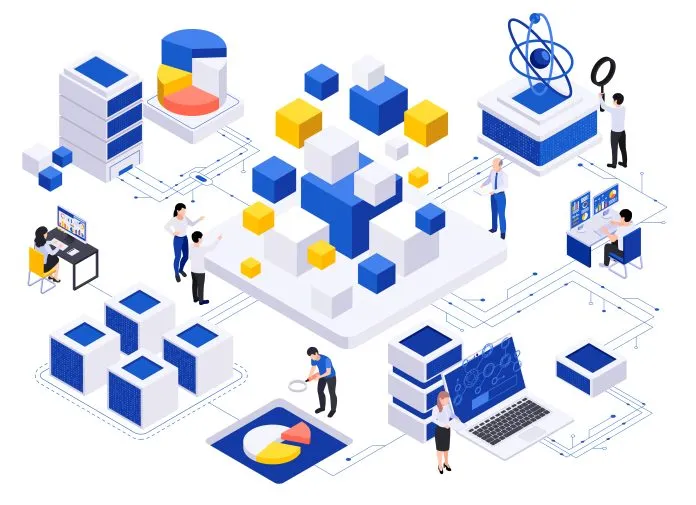
A practical guide to the core technical concepts behind scalable fintech infrastructure, with clean definitions and a real-life example relevant to operations in the EU, USA, Sweden, Germany, Brazil, Saudi Arabia, and Oman. 1. Microservices Architecture Microservices means breaking a large system into many small, independent services. Each service runs separately and has one primary job. Examples of microservices include KYC service, payments service, FX engine, card issuing service, notifications service, and ledger service. Why fintechs use microservices Faster development, no full-system downtime, independent scaling, easier upgrades, and better fault isolation. If the card service fails, the ledger still works. Operationally, these services run on hardened platform layers described in secure cloud architecture behind BinaxPay and scalable infrastructure for multi-continent expansion. 2. Monolith vs Microservices Monolithic system: one big codebase, slow to update, risky to scale, one bug can break everything. Microservices: multiple small services, deploy independently, scale independently, safer and faster. Modern fintechs choose microservices. 3. Containers (Docker) A container is a lightweight package that contains code, libraries, and dependencies. It runs the same everywhere: developer laptop, cloud infrastructure, production servers. Docker eliminates "works on my machine" issues. 4. Orchestration (Kubernetes / K8s) Kubernetes manages containers automatically: scales services, restarts crashed containers, balances traffic, and manages deployments. It ensures your system stays online. 5. Auto-Scaling Auto-scaling automatically increases or decreases computing resources based on load. Examples include payment traffic spikes, card transactions increase, merchant payout rush, and end-of-month payroll processing. Auto-scaling prevents downtime and reduces cost. 6. Load Balancers A load balancer distributes traffic across multiple servers to avoid overload, ensure faster responses, and keep the system stable. Fintechs use them to manage high-volume transaction loads. 7. Cloud Infrastructure (AWS, Google Cloud, Azure) Fintechs run on cloud platforms for global availability, fast scaling, secure storage, uptime SLAs, and reliable backups. Typical fintech services on cloud include databases, KYC engines, card systems, ledger and settlement engines, and reporting dashboards. 8. Horizontal vs Vertical Scaling Vertical scaling adds more power to a single machine (RAM, CPU). Horizontal scaling adds more machines to handle load. Fintechs rely on horizontal scaling for millions of transactions. 9. Service Mesh (Istio, Linkerd) A service mesh controls communication between microservices and handles encryption between services, retries, routing, and traffic control. This increases performance and security. 10. High Availability (HA) High availability means no downtime, redundant servers, and multi-zone deployments. If one region fails, another takes over instantly. 11. Fault Tolerance Fault tolerance ensures the system continues working even when a microservice crashes, a database node fails, or a data center goes offline. This is critical for fintech reliability. 12. Redundancy Redundancy means having spare systems ready. Examples include secondary database, backup KYC provider, duplicate FX engine, and alternative SMS or email providers. If one fails, the other activates. 13. CDN (Content Delivery Network) A CDN speeds up delivery of apps, dashboards, and websites. It is used for fast customer experiences globally. 14. Queue Systems (RabbitMQ, Kafka, SQS) Queues are used when payments need background processing, card operations must be sequenced, KYC verification returns slow results, or settlements must be processed safely. Queues prevent system overload. 15. Caching (Redis, Memcached) Caching stores frequently used data for fast access: recent FX rates, user session data, API token validation, and recent transactions. Caching reduces load on databases. 16. Databases (SQL vs NoSQL) SQL (PostgreSQL, MySQL) used for financial records, ledger, balances, and regulated data. NoSQL (MongoDB, DynamoDB) used for logs, analytics, and high-speed queries. Fintechs usually mix both. 17. CI/CD Pipelines CI/CD automates testing, deployment, and updates, allowing fintechs to release new features every day without downtime. 18. Observability: Monitoring, Logging, and Alerts Fintechs monitor transaction failures, API errors, system load, latency, and fraud patterns. Tools include Grafana, Prometheus, Elastic, and Datadog. 19. Disaster Recovery (DRP) A DRP ensures the system can survive data loss, region outage, or cyberattacks with daily backups, geo-replication, and secondary systems. 20. Real-Life Example (Germany to USA to Saudi Arabia Scaling Scenario) Scenario: A BinaxPay feature goes viral in Germany, causing a traffic spike. Step 1: Microservices handle load. Payments, KYC, and card issuing services scale independently. Step 2: Auto-scaling activates. Kubernetes adds more containers for the Payments API and Ledger services. Step 3: Load balancers distribute traffic. Incoming requests from Germany and USA are routed evenly. Step 4: Database scaling. Primary database in Frankfurt handles writes, read replicas in Virginia (USA) and Riyadh (Saudi Arabia) serve traffic locally. Step 5: Queue systems process high-volume payouts. Kafka queues keep the system stable during spikes. Step 6: Real-time monitoring triggers alerts. Ops team sees the surge but system stays stable due to auto-scaling. Result: zero downtime, instant settlement, global users unaffected. This is how a modern fintech uses microservices and cloud scaling to operate reliably across continents.

- BinaxPay Team
- 17 Dec, 2025
- 4 mins read
Device Fingerprinting, Velocity Rules & Fraud Tech
A practical guide to how modern fintech platforms identify fraud using device intelligence, behavioral pattern analysis, and real-time rule engines. Includes a clear real-life example based on operations in Germany, USA, Brazil, Saudi Arabia, and Sweden. These signals feed the same monitoring vocabulary as risk-based transaction monitoring terms. When device risk escalates to account controls, AI-enhanced monitoring for fraud and risk explains how models prioritize queues. 1. Device Fingerprinting Device fingerprinting identifies a user based on the unique characteristics of their device, even if they change IP, browser, or location. A device fingerprint includes browser type and version, OS details, IP and GPS (if permitted), screen resolution, installed fonts and plugins, hardware IDs, device time zone, cookie behavior, network patterns, and a device risk score. Why fintechs rely on device fingerprinting It detects account takeover, blocks multi-account abuse, stops stolen identity usage, identifies VPNs and emulators, and links suspicious behavior to the same device. Even if a fraudster changes email or phone number, the device fingerprint reveals the connection. 2. Behavioral Biometrics Behavioral biometrics monitor typing patterns, swipe speed, mouse movement, navigation style, and touch pressure on mobile. Fraudsters behave differently from legitimate users, and AI detects these patterns in milliseconds. 3. Velocity Rules Velocity rules track how fast and how often certain actions occur. Common velocity checksNumber of login attempts per minute Number of failed OTP attempts Number of cards added in 24 hours Number of payout requests per hour Number of accounts created from same device Number of transactions to same receiver Number of password resetsIf a user performs actions too quickly, fraud risk rises. Examples of velocity flags10 failed login attempts in 2 minutes 5 payout attempts in 30 seconds 3 different cards added within 5 minutes Same device used for 6 different accountsVelocity rules help stop bots, script attacks, and money-mule operations. 4. Geo-Location Intelligence Fintechs track country, region, IP pattern, impossible travel, and mismatched country vs document. If a user signs up with a German passport but always logs in from Brazil, they are flagged for review. 5. IP, VPN, Proxy, and TOR Detection Fraud systems identify VPNs, hosting providers, cloud server IPs, TOR nodes, and suspicious proxy servers. Fraudsters often hide behind anonymizing tools, and fintechs block or limit these attempts. 6. Emulator and Root or Jailbreak Detection Many fraud attacks use Android emulators, rooted devices, and jailbroken iPhones. These allow manipulation of apps, and fintech systems block them automatically. 7. Email and Phone Intelligence Fraud tech evaluates disposable emails, short-use domains, blacklisted phone carrier networks, VOIP numbers used in fraud rings, and mismatched country codes. This stops fake identities early in onboarding. 8. Risk Scoring Engine All fraud data is sent to a risk engine, which generates a dynamic score based on device risk, IP reputation, behavior, velocity, KYC details, geographic patterns, transaction history, merchant category, and corridor risk. If the risk score passes a threshold, the transaction is blocked or reviewed. 9. Fraud Prevention Methods Used by Modern Fintechs a. Rule-based detection Human-configured rules such as block login after five failed attempts or hold payout above USD 1,000 from new accounts. b. Machine learning models AI learns patterns over time, detects new fraud types, self-adjusts rules, and identifies hidden correlations. c. Blacklists and whitelists Blacklisted devices, blocked cards, banned merchants, trusted devices, and safe corridors. d. Behavioral anomaly detection Flags sudden login from unusual country, unexpected night-time activity, and new device with high-value transfer. 10. Real-Time Transaction Filtering Before a transaction is approved, the system checks device fingerprint, velocity, user history, fraud score, geographic risk, merchant behavior, and regulatory limits. Approvals happen in milliseconds. 11. Case Management for Compliance Teams Fraud cases are escalated to human review when a transaction looks suspicious, velocity rules trigger, device fingerprint mismatch, or risky merchant behavior appears. Compliance teams can request documents, freeze accounts, and block future activity. 12. Real-Life Example (Sweden to Germany to Saudi Arabia Fraud Detection) Scenario: A fraudster tries to use a stolen Swedish passport to open an account and send money to Germany. Step 1 — Device fingerprinting flags anomalies The user logs in from a rooted Android and a known fraud VPN server in Riyadh. Risk score increases immediately. Step 2 — Velocity rules trigger Within 3 minutes, 3 different emails are used, 2 card attempts, and 5 payout attempts occur. Velocity system blocks the account. Step 3 — Behavior mismatch Typing pattern is inconsistent with Nordic linguistic behavior. Step 4 — KYC mismatch Swedish passport submitted, but device and IP always show Saudi Arabia. Step 5 — Final decision Risk score becomes critical and the account is frozen. Compliance team receives a case with device data, IP logs, velocity report, and behavioral analysis. No money loss, no payout processed, fraud attempt stopped instantly.
- BinaxPay Team
- 16 Dec, 2025
- 4 mins read
Cross-Border Payments & Remittance Terminology
A straightforward guide to the key terms used in global money movement, international payout networks, FX-driven corridors, and multi-country settlement flows. Includes a practical real-life example referencing Germany, USA, Brazil, Saudi Arabia, and Sweden. 1. Cross-Border Payment A cross-border payment is any financial transaction where the sender and receiver are located in different countries. These transactions rely on international rails, FX conversion, correspondent banks, or local payout partners. Used for remittance, trade payments, supplier settlements, freelancer and gig payouts, and business operations across countries. 2. Remittance Remittance is money sent by individuals, often workers, to family or businesses in another country. Remittance corridors are high-volume routes such as USA to Brazil, Germany to Turkey, Saudi Arabia to India, and Sweden to Brazil. Corridors define risk, FX needs, liquidity levels, and regulatory rules. 3. Sending Country and Receiving Country Every cross-border flow has a sending country (origin of the money) and a receiving country (where funds are delivered). Different regulations and KYC levels apply depending on the direction. 4. Corridors A corridor is a specific route of money movement between two countries. Examples: Germany to Brazil, USA to Sweden, Saudi Arabia to Egypt. Each corridor has FX spreads rules, risk level, liquidity requirements, settlement deadlines, and local payout options. Corridor design is the engine of global fintech. 5. Payout Methods Cross-border payouts can be delivered to bank accounts, mobile wallets, instant payment systems (PIX in Brazil, FPS in the UK), cards, cash pickup, or e-wallets. Each method has its own timing and cost. 6. Correspondent Banking Correspondent banks help settle cross-border transfers when the fintech does not have a direct rail in the receiving country. Example: A Germany to Brazil transfer may route through a US correspondent bank depending on currency and liquidity. 7. Nostro and Vostro Accounts Used by banks for international settlements.Nostro account: our money held in your bank Vostro account: your money held in our bankFintechs often use these arrangements via their BaaS partners. 8. SWIFT Messaging SWIFT is the global messaging system used for cross-border bank transfers. It does not move money, it sends instructions between banks. Message examples: MT103 (individual transfer) and MT202 (bank-to-bank settlement). 9. FX Conversion Cross-border transactions require currency exchange. FX impacts fee, speed, final settlement amount, and liquidity pool requirements. FX spread is a revenue source for fintech. 10. Exchange Rate TypesMid-market rate: reference rate (no profit) Retail rate: consumer rate with markup Wholesale FX: used for large settlements Locked rate: rate fixed for a time window Dynamic rate: real-time market rateFintechs commonly use locked or wholesale FX. 11. Settlement Timeframes Cross-border settlement times vary: instant (PIX, UK FPS proxy rails), 1 to 24 hours (mobile wallets, regional ACH), and 1 to 5 days (traditional SWIFT rails). Time depends on corridor, partner availability, compliance checks, and payout method. 12. Compliance Requirements Cross-border payments require KYC and KYB, AML screening, sanctions checks, source-of-funds checks, transaction purpose codes, and corridor risk controls. Some corridors such as USA to Brazil require additional verification depending on value. 13. Purpose Codes Many countries require the sender to specify the purpose of the transfer. Examples: salary, family support, business invoice, tuition, government payment. These codes are mandatory in Brazil, India, UAE, and other markets. 14. Transaction Limits Limits vary by country, corridor, user KYC level, payment purpose, and method (bank vs mobile wallet). Example: Brazil PIX payouts may have strict per-transaction limits for foreign-origin funds. 15. Fees and Charges Cross-border fees come from FX spread, sending fee, receiving fee, correspondent bank fee, compliance charges, and intermediary partners. Fintechs optimize fees by using local payout rails. 16. Treasury and Liquidity Management To process cross-border payments instantly, fintechs maintain local currency pools, treasury buffers, automated FX conversion, and corridor forecasting. This avoids delays and reduces SWIFT dependency. 17. Real-Time Screening Before approving a cross-border payment, the system checks sanctions lists, PEP lists, transaction purpose, behavioral anomalies, device fingerprint, and corridor risk score. Compliance must clear the payment before release. 18. Reconciliation Daily or weekly matching of outgoing transactions, FX conversions, partner payouts, bank statements, and liquidity pool balance ensures accounting accuracy. 19. Cross-Border Partner Network A single international payout may involve a sending rail provider, FX desk, correspondent bank, receiving PSP, mobile wallet operator, and local bank. Fintech orchestrates all pieces. 20. Real-Life Example (Germany to Brazil Business Payment) Scenario: A German SME pays a Brazilian supplier EUR 5,000. Step-by-step flow:Sender initiates EUR payment in Germany BinaxPay applies FX conversion EUR to BRL at wholesale rate System checks KYC, invoice purpose, sanctions lists (EU and Brazil), and device fingerprint Funds are routed through EU PSP and Brazil payout partner Treasury pool in Sao Paulo releases PIX instant payout Supplier receives BRL immediately in their Brazilian bank account Both sides receive a reconciliation reportResult: No SWIFT delay, no correspondent bank fees, local PIX payout arrives in seconds, and full compliance is maintained.

- BinaxPay Team
- 15 Dec, 2025
- 4 mins read
Digital Identity, Biometrics & e-KYC Concepts
Digital identity, biometrics, and e-KYC form the foundation of modern fintech onboarding. These systems allow financial platforms to verify users instantly, prevent fraud, and comply with global regulations without requiring physical branches. 1. What Is Digital Identity? Digital identity is the verified digital representation of a person or business inside a financial system. It includes personal information (name, DOB, ID number), device data, verified documents, behavioral patterns, biometric signatures, and authentication history. Digital identities allow fintech platforms to onboard users remotely without physical branches. 2. Components of a Digital Identity Profile A full digital identity includes government ID details, verified phone number, email verification, device fingerprint, IP and location, facial biometrics, liveness and selfie checks, risk score, and sanctions and PEP checks. These combined layers ensure accurate, fraud-resistant identity creation. 3. What Is e-KYC? e-KYC (Electronic Know Your Customer) is the digital process of verifying a customer’s identity remotely. The process includes document capture (ID, passport, driver’s license), face scan or selfie, liveness detection, data extraction (OCR), validation against government databases where available, sanctions and PEP screening, and address verification where required. e-KYC replaces in-person verification and enables instant onboarding. 4. Biometrics in Fintech Biometrics add a strong layer of identity confirmation using face recognition, fingerprint scanning, voice verification, iris scanning (rare but used in government systems), and behavioral biometrics such as typing or swiping patterns. These reduce identity fraud and protect user accounts. 5. Types of Biometrics Used in Financial Systems Physical biometricsFacial recognition Fingerprint Iris or retina scan Palm or vein scanBehavioral biometricsTyping rhythm Screen interaction Device handling patterns Geolocation habitsBehavioral biometrics are crucial for silent, passive fraud detection. 6. Liveness Detection Liveness checks ensure the person is real, present, and not using printed photos, screen replays, deepfake videos, masks, or static images. Techniques include motion prompts, texture analysis, depth detection, and anti-spoofing AI. Liveness is mandatory in most regulated regions. 7. Authentication Layers Digital identity systems typically use:Single-factor authentication: password or PIN Two-factor authentication (2FA): password plus SMS, email, or OTP Multifactor authentication (MFA): password plus biometrics plus device verification Strong Customer Authentication (SCA): required under EU PSD28. Digital Identity in Different Regions Germany and Sweden (EU)eID systems BankID (Sweden) High-trust digital ID infrastructure Strong GDPR privacy rulesUSADriver’s license with digital verification SSN checks Strong fintech-level biometric requirementsSaudi ArabiaNational digital ID systems Absher integration for verification Strict AML and biometric controlsBrazilCPF-based identity New national digital ID initiatives Strong biometric adoption in banking appsEach country has a unique identity ecosystem fintechs must align with. 9. Fraud Prevention Using Digital Identity Digital identity systems detect identity theft, fake documents, repeated device fraud, SIM-swap behavior, mismatched face and ID photos, duplicate account attempts, and location anomalies. AI-based identity scoring reduces onboarding fraud dramatically. 10. How e-KYC Works Inside BinaxPayUser submits ID and selfie OCR extracts data Biometric match confirms identity Liveness ensures the user is real System runs sanctions and PEP checks Device and IP analysis Local database check (if applicable) Risk score assigned User receives KYC tierThis creates a secure, compliant onboarding system. 11. Real-Life Example Scenario: A user in Saudi Arabia wants to open a digital wallet connected to their business account. Step by step:User uploads national ID through the mobile app System performs face scan and liveness detection ID data is matched against Saudi national digital identity systems The user’s device fingerprint is recorded Sanctions and PEP scan is done automatically User passes risk scoring and receives KYC Tier 2 (full wallet access) Biometric authentication is required on every loginOutcome: A fully verified digital identity is created, protecting against impersonation and account takeover. 12. Why Digital Identity Matters in Fintech Digital identity ensures safe onboarding, low fraud rates, regulatory compliance, automated approvals, cross-border trust, stronger user protection, secure payments, and smooth biometric login. It is the foundation of any modern financial platform. 13. Benefits for Users and Partners For users: fast onboarding, no paperwork, safer accounts, instant verification. For partners and regulators: clear audit trail, reduced fraud, compliance certainty, verified user base.
- BinaxPay Team
- 14 Dec, 2025
- 3 mins read
How Partners Earn: Revenue-Sharing Model
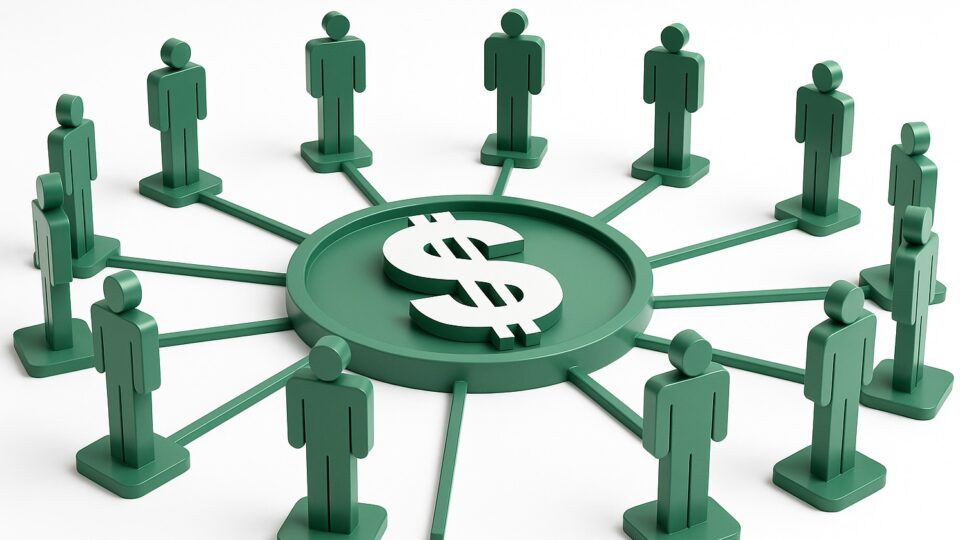
BinaxPay provides a clear, scalable, and transparent revenue-sharing model that allows partners, operators, JV entities, merchants, PSPs, and institutional collaborators to earn across multiple financial activities. Because BinaxPay operates on a multi-rail, multi-corridor, multi-product ecosystem, partners benefit from several income streams—not just one. This creates long-term, stable, recurring revenue for every country and operator involved. 1. Transaction Fees on All Incoming & Outgoing Transfers Partners earn a share of fees on:local payouts local collections mobile money flows bank transfer deposits bank transfer withdrawals internal wallet transfers corridor-based FX transactionsEvery completed transaction generates revenue for the partner. Real Example User in the US sends $100 → Kenyan user receives KES instantly → partner earns a percentage of the transaction fee on that payout. 2. FX Spread Revenue (Internal Virtual Conversion Model) FX spreads are one of the strongest revenue channels for partners. Partners earn when users convert:USD → local currency EUR → local currency GBP → local currency local → foreign currencyFX is handled internally on the ledger, so spreads are predictable and profitable. 3. Merchant & Enterprise Settlement Fees Partners earn revenue on:merchant acquiring settlement fees QR payments card settlements mobile money acceptance POS transactions payment links & online checkoutMerchants generate high-volume, recurring daily revenue. Real Example A supermarket chain processes 20,000 mobile money/QR/card payments daily → partner receives settlement revenue daily. 4. Wallet & Account Fees Partners can earn from:wallet creation pricing (if enabled) account maintenance fees business account upgrades premium account features enterprise multi-wallet structuresThis creates predictable monthly recurring revenue. 5. Card Program Revenue Streams Partners earn from:virtual/physical card issuance card transaction interchange card top-up fees card replacement cross-border card spend (FX) ATM withdrawals merchant card acceptanceEvery card program becomes a long-term recurring income source. 6. Mobile Money Corridor Revenue Mobile money corridors generate:payout fees collection fees merchant acceptance fees API integration feesPartners who integrate mobile money rails see immediate volume growth. 7. Business & Enterprise Services Partners earn from SME and enterprise services including:payroll processing fees supplier payout fees recurring billing invoicing fees bulk payout batches subscription tools (ERP/CRM/FIN modules)Business clients generate the most stable recurring revenue. 8. Treasury & Liquidity Spread Partners participating in liquidity pools earn:liquidity yield corridor liquidity incentives spread from rebalancing priority access to FXLocal partners who support treasury operations increase earnings significantly. 9. Compliance & Onboarding Fees (Optional for Local Partners) Partners may charge for:enhanced KYC institutional onboarding SME onboarding merchant verification compliance processingThis is especially valuable in markets requiring manual or enhanced verification. 10. API & Platform Usage Fees (For Technical Partners) Technology partners earn fees on:API usage enterprise integrations platform-as-a-service billing white-label customization developer support packagesThis is ideal for telecoms, PSPs, and large platforms. 11. Commission From Cross-Border Corridors Partners earn a share of corridor-based volume for:worker remittances SME import/export payments diaspora money flows e-commerce settlements corporate treasury transfersHigh-volume corridors produce extremely strong revenue. 12. Real-Life Multi-Stream Example Scenario: Partner in Ghana operates the local ecosystem. Revenue sources:User transfers → earns on each payout Mobile money collection → earns on every payment FX → earns on virtual USD/EUR/GBP → GHS conversion Merchants → earns on mobile money & card settlement Enterprises → earns on payroll & bulk payouts Card program → earns interchange & card usage Treasury participation → earns liquidity spreadOne partner → 7 different income channels. Conclusion BinaxPay's revenue-sharing model gives partners access to diversified income streams across transfers, mobile money, FX, merchant settlement, card programs, treasury activity, enterprise tools, and API infrastructure. This creates predictable, scalable, multi-layered earnings for every country operator, PSP, bank, enterprise, or institutional partner working inside the BinaxPay ecosystem.